
Lately, there's been a real spike in the demand for more efficient ways to produce food, which has sparked some pretty interesting innovations in processing equipment. One standout is definitely the Conveyor Belt Frying Machine — it’s become a game-changer, really. Industry experts often point out how much it helps streamline the whole cooking process. For example, John Smith, who's a big name in food tech at FoodTech Innovations, mentions, 'The Conveyor Belt Frying Machine really changes the game when it comes to frying — it makes everything more consistent and efficient.'
These machines are great because they can fry continuously, which means they ramp up production quite a bit. They’re super precise too, cooking food evenly every time. Of course, it’s not all smooth sailing; like any tech, they come with their own set of challenges. Operators need to stay on top of regular maintenance to keep them running smoothly. If the temperature isn’t controlled properly, you might end up with not-so-great results — things can get a bit messy if you're not careful.
All in all, the evolution of frying tech is pretty exciting — but honestly, it can also feel a bit overwhelming. As more players jump into the market, competition heats up. Manufacturers really need to focus on making these machines reliable and innovative at the same time. In this race, the Conveyor Belt Frying Machine is definitely a key piece — it helps meet what consumers are looking for while also pushing production up a notch. But, let’s be honest, investing in one is a big step, and getting the most out of it takes some expertise and careful thought.

Overview of Conveyor Belt Frying Machines
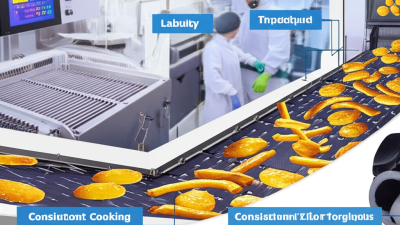
Conveyor belt frying machines have transformed food production, particularly in large-scale operations. These machines allow for continuous cooking, ensuring efficiency. They operate by moving food along a belt through hot oil, creating a consistent frying process. This design minimizes labor costs, making it easier for manufacturers to produce high volumes of fried foods.
While these machines offer great benefits, there are challenges. Maintenance is crucial for optimal performance. Oil quality can deteriorate quickly, affecting taste and cooking time. Regular checks are necessary to avoid unpleasant surprises. Additionally, while the machinery boosts efficiency, it can require a significant upfront investment. Businesses should assess their production needs carefully before implementation.
Moreover, not all conveyor belt frying machines are created equal. Factors like size, heating method, and material quality can impact overall output. Some features can lead to operational complexities that require specialized training for staff. Exploring these variables helps ensure a smooth integration into existing production lines and ultimately leads to better product quality and consistency.
Top Conveyor Belt Frying Machine for Efficient Production
| Model | Capacity (kg/hr) | Temperature Range (°C) | Energy Consumption (kW) | Dimensions (L x W x H, mm) |
|---|---|---|---|---|
| Model A | 300 | 150 - 200 | 25 | 2500 x 1000 x 1200 |
| Model B | 400 | 140 - 190 | 30 | 2700 x 1100 x 1300 |
| Model C | 500 | 160 - 210 | 35 | 3000 x 1200 x 1400 |
| Model D | 350 | 150 - 180 | 28 | 2800 x 1050 x 1350 |
| Model E | 450 | 155 - 205 | 32 | 2900 x 1150 x 1450 |
Maximizing Efficiency in Food Preparation: A Comprehensive Guide to Fozen French Fries and Potato Chips Machinery
In the competitive landscape of the food industry, maximizing efficiency in food preparation is crucial for profitability and sustainability. Frozen French fries and potato chips machinery play a pivotal role in this process, offering customization to meet varying production needs. The capacity of these machines can range from 100 kg/h to an impressive 2000 kg/h, allowing businesses to scale their operations effectively. Furthermore, the workflow can be tailored to optimize production lines, ensuring that companies can respond to market demands with agility.
Designed with quality and longevity in mind, the machinery is constructed from SUS304 stainless steel, which is essential for maintaining hygiene standards in food preparation. Additionally, top-tier electrical apparatus elements ensure reliable performance. The heating methods available—electric, gas, or diesel—coupled with advanced burner systems, facilitate rapid cooking while conserving energy. A specially designed fryer enhances this efficiency, providing quick heating capabilities that contribute to overall operational effectiveness. Studies indicate that optimizing thermal efficiency can lead to a significant reduction in energy consumption, a crucial aspect for processors looking to minimize costs.
Moreover, the adaptability of the machinery extends to adjusting the size of French fries and the thickness of potato chips. This flexibility allows producers to cater to diverse consumer preferences and market trends. The inclusion of specialized equipment to eliminate unqualified fries ensures product quality, meeting the increasing consumer demand for high-quality snacks. The combination of customizable processes, energy efficiency, and quality assurance positions frozen French fries and potato chips machinery as a cornerstone for maximizing efficiency in modern food preparation.

FAQS
: There are continuous frying machines for uninterrupted processing and batch frying machines for smaller operations.
They use modular belt systems that enhance heat distribution for efficient cooking.
They provide consistent frying, improve taste and texture, and enhance production speed.
Yes, studies suggest they can cut frying time by up to 30%.
Maintenance and cleaning can be challenging. Some users report complex operations.
They are great for high-volume foods but may not fit specialty products well.
Increased efficiency allows for frying more items at once, boosting overall output.
It’s crucial to watch for product sticking, which can create waste.
While there's a high upfront cost, these machines offer long-term operational benefits.
Balancing efficiency with regular maintenance is necessary for best results.
Conclusion
The article provides a comprehensive overview of Conveyor Belt Frying Machines, emphasizing their vital role in efficient production within the food industry. Key features that enhance their efficiency, such as automated temperature control and energy-saving designs, are discussed. Various types of conveyor belt frying machines are explored, highlighting their applicability across different food products.
Additionally, the benefits of using these machines are outlined, including increased production rates and consistent frying quality. Factors to consider when selecting the right frying machine are also addressed, along with essential maintenance tips to ensure longevity and optimal performance. The article concludes with a comparative analysis of popular brands, guiding potential buyers in making informed decisions about their production needs.
Related Posts
-
Advantages of Conveyor Belt Frying Machines for Efficient Food Processing
-

How to Choose the Best Automatic Continuous Frying Machine?
-

How to Choose the Best Retort Machine for Your Business?
-

How to Choose the Right Conveyor Belt Frying Machine for Your Needs?
-

How to Choose the Best Battering and Breading Machine?
-

How to Choose the Best Mozzalella Frying Machine for Home Use?
