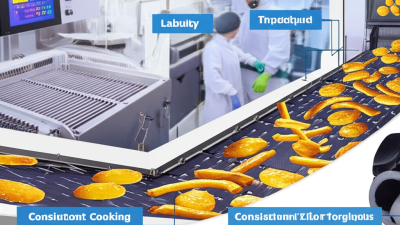
Picking the right Retort Machine really matters when it comes to how smoothly your business runs and the quality of your products. I’ve just gotta say, John Smith from FoodTech Solutions hit the nail on the head when he mentioned, 'Investing in the right Retort Machine can seriously boost your production line’s reliability.' It just goes to show how crucial it is to pick equipment that actually fits your specific needs.
When you’re soaking in your options, take a moment to think about your production volume, what kind of products you're making, and how much space you've got to work with. Each Retort Machine has its own set of features, so getting familiar with those can really help you make smarter choices. For example, some models are perfect for bigger batches, while others are better if you need precision for smaller runs — so it’s worth considering what suits your operation best.
Now, buying a Retort Machine isn’t just any purchase — it’s a pretty big deal. You’ve gotta do your homework, weigh your needs, and check out what’s available out there. Not every machine will be perfect straight out of the box, and that’s totally okay. Listening to what others have experienced can save you a lot of headache and steer you in the right direction. Ultimately, your goal should be to find a machine that lines up with your production goals and helps your business perform at its best.
Understanding retort machines is vital for any business in the food processing industry. These machines are essential for sterilizing packed foods, ensuring safety and extending shelf life. Retort machines work by heating sealed containers under pressure, which kills harmful microorganisms. This method is proven effective, noted in the Journal of Food Science, where over 98% reduction in microbial load was observed.
Choosing the right retort machine can be challenging. Consider the type of products you process. For example, liquid-filled containers require different parameters than solids. Additionally, pay attention to capacity and cycle time, as they directly impact your production efficiency. A report by The Food Processing Industry Association shows that businesses optimized with quality retort systems increased productivity by 30%.
**Tips:** Always assess the machine’s energy efficiency. An energy-efficient model can reduce operational costs significantly. Keeping maintenance protocols in mind is crucial. Neglecting them may lead to unexpected breakdowns and extended downtimes. Regular training for staff to operate the machines is essential for consistent quality.
This chart illustrates the cost comparison of various types of retort machines suitable for businesses. The prices vary based on the type and functionality of the machine, providing insights for potential buyers to make informed decisions.
When choosing a retort machine, several key factors come into play. The size of your operations is crucial. A smaller business may not need a machine with high capacity. Conversely, larger operations benefit from machines that can handle bulk production. Assess your current and future needs to find the right match.
Consider the technology used in the retort machine. Several types exist, including steam and water immersion. Each type has its advantages. For example, steam machines often provide faster cycles. However, they may require more maintenance. Reflect on the type of products you'll process. Specific machines perform better with certain food types.
Energy efficiency is another key aspect. This factor affects not only operational costs but also environmental impact. Sometimes, machines that seem cheaper upfront consume more energy in the long run. Research energy ratings and potential savings. Ultimately, the choice of a retort machine should align with your business goals and sustainability practices.
When selecting the best retort machine, understanding your business’s capacity and size requirements is crucial. Start by assessing the production volume you expect. If your business is small, a compact machine may suffice. A larger operation, however, needs a model capable of handling greater outputs. Overestimating your needs can lead to unnecessary costs. Underestimating can result in operational bottlenecks.
Consider your facility's space as well. Retort machines can vary dramatically in size. Ensure that there is adequate room for installation and maintenance. Machinery that fits the space well will reduce potential operational hiccups. Also, check the machine's configuration for ease of access. Poor layout may lead to downtime or even safety risks.
Think about flexibility, too. A machine that can grow with your business is ideal. While it is tempting to invest only for current needs, planning for future expansion is wise. Evaluate how the machine can adapt. Look for features that allow modifications or upgrades. Balancing capacity and size with your budget can be quite challenging. Yet, it's essential for long-term success.
When exploring retort technologies, one must consider several factors. Steam retorts are widely used in food processing. They provide uniform heating and are efficient for batch production. This method uses pressurized steam to ensure even heat distribution. However, it can require more maintenance and space. Users should regularly check the steam injection system for operational efficiency.
Water retorts also have their merits. They utilize hot water for an effective heat transfer. This method is suitable for various food types. Water retorts can be energy efficient, but they can be complex to operate. Operators should be trained to manage water levels and temperature effectively. In some cases, system failures may lead to food safety risks.
Air retorts represent another option, utilizing hot air circulation for pasteurization. They excel in certain product applications, particularly dry or low-moisture foods. Air systems may take longer to reach desired temperatures. They can be less reliable at maintaining consistent heat. Operators must monitor air circulation to avoid uneven cooking. Each technology has unique advantages and potential pitfalls, making careful evaluation essential before investing.
When selecting a retort machine, energy efficiency should be a primary concern. These machines consume a significant amount of power during operation. An energy-efficient model can greatly reduce your operational costs. Look for machines that have high thermal efficiency and lower utility bills. Such qualities not only benefit the environment but also help your bottom line.
Operating costs extend beyond just energy consumption. Maintenance is another critical factor. Regular maintenance can prevent sudden breakdowns and unexpected expenses. Choose a machine designed for easy access to components. Simplified repairs can save time and labor costs. It's essential to weigh these factors against initial purchase prices. A cheaper machine might lead to higher costs over time due to inefficiencies or frequent repairs.
Consider the size and capacity of the retort as well. Larger machines may require more energy but can process larger batches, potentially offering better overall efficiency. However, if your production scale is smaller, a compact unit might suit your needs better. Balancing efficiency with capacity can help in making a sound investment for your business.
Choosing the right retort machine is crucial for your business. One important aspect is compliance with industry standards and regulations. These guidelines ensure your products are safe and effective. Non-compliance can lead to severe penalties or recalls, harming your brand's reputation.
Understanding the specific regulations for your industry is essential. Research local, national, and international standards that apply to your products. Regular training for your team is vital. This ensures everyone is aware of the compliance requirements. Consider consulting with industry experts to stay informed.
Here are some tips for maintaining compliance:
- Regular audits can uncover potential issues.
- Keep documentation organized and accessible.
- Engage with regulatory bodies to be proactive about changes.
Navigating regulations can be complex. It's easy to overlook details, but these details matter. Rely on your team to identify any gaps in knowledge. Always prioritize compliance in your business operations to build trust with customers.
When selecting a retort machine, evaluating maintenance and support options is crucial. These machines demand regular care to ensure optimal performance and safety. According to a recent industry report, 40% of unexpected downtime is attributable to inadequate maintenance. It’s critical to choose a supplier that prioritizes after-sales support.
Suppliers should offer comprehensive maintenance packages, including routine inspections and parts replacements. A reliable support team can boost machine lifespan. Regular training sessions for your staff can enhance operational efficiency. Some experts suggest that well-maintained machines can increase production up to 30%.
Cost may seem daunting when considering maintenance services. However, investing in preventative care can save businesses significant amounts over time. Poor maintenance might result in higher repair costs or equipment failure. Ultimately, the choice of supplier can significantly impact your operational success. Opt for those with proven track records in reliability and customer service.
: Retort machines sterilize packed foods by heating containers under pressure, killing harmful microorganisms.
Consider the product type, capacity, and cycle time for efficiency. Liquid-filled and solid containers need different settings.
An energy-efficient model lowers operational costs and can contribute positively to business sustainability.
Neglecting maintenance can lead to unexpected breakdowns, extended downtimes, and higher repair costs.
Supplier after-sales support is crucial; 40% of downtime stems from inadequate maintenance, affecting performance.
Choose packages that offer routine inspections and parts replacements for optimal machine performance and longevity.
Regular training sessions are vital for staff to maintain consistent quality and operational efficiency.
Yes, it can save money long-term by avoiding higher repair costs and equipment failures caused by poor upkeep.
Experts suggest that well-maintained machines can boost production by up to 30%.
Look for suppliers with proven reliability, good customer service, and comprehensive maintenance support options.
When selecting the best Retort Machine for your business, it is essential to understand its functionality and the various types available, which can significantly impact your production efficiency. Key factors include evaluating the necessary capacity and size to meet operational demands, as well as exploring different retort technologies such as steam, water, and air.
Moreover, assessing energy efficiency and operating costs can lead to more sustainable long-term investments. Compliance with industry standards and regulations is crucial to ensure safety and quality. Lastly, it's important to consider the maintenance and support options provided by suppliers, as these factors can influence the overall reliability and performance of the Retort Machine in your operations.