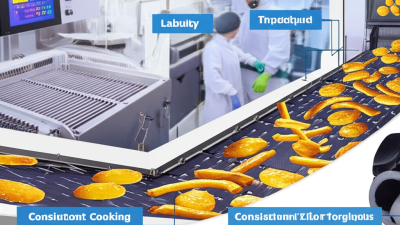
Choosing the right conveyor belt frying machine can really make a difference in your food processing runs. It’s one of those things where you gotta think about a bunch of factors. These machines come in all sorts of sizes and features, and each one has its own perks and quirks — which can totally impact how smoothly your production goes.
So, when you're picking out a conveyor belt fryer, start by focusing on what you actually need. What kind of food are you planning to fry? The design of the machine can also influence the quality of your final product. And hey, don’t forget—making sure it ticks all the health and safety boxes is a must. That’s just non-negotiable.
Talking to experts can be super helpful, but just keep in mind — not every tip will fit your particular situation. Doing your own homework is key. Check out customer reviews and maybe some case studies online. Learning from what others have gone through can really point you in the right direction. At the end of the day, choosing the right machine might just be the difference between success and a few headaches down the line.

Understanding Your Frying Needs: Types of Food Products
Choosing the right conveyor belt frying machine can be overwhelming. It’s essential to understand the types of food products you plan to fry. Different foods require different frying techniques, temperatures, and oil types. For example, potato chips need an entirely different approach than battered fish or doughnuts. Each product has unique characteristics that significantly affect the frying process.
Consider the moisture content of your food. High-moisture products tend to cook more quickly and require precise temperature control. Low-moisture foods might need a longer frying time. Think about the desired texture too. Crispy items often benefit from a quick cook, while softer products may need a more gradual frying. Understanding these factors will guide you in choosing a machine that best suits your needs.
Another point to reflect on is production scale. A small operation might not require a high-capacity machine, while a larger establishment may need one that offers efficiency. Ask yourself what type of food your business specializes in and the expected volume. These insights can help you avoid mistakes. Not assessing your needs can lead to poor investment choices. Aim for a machine tailored to your specific food products. Balancing efficiency and quality is crucial.
Key Features of Conveyor Belt Frying Machines to Consider
When selecting a conveyor belt frying machine, several key features must be evaluated.
Temperature control is crucial. Precise temperature regulation ensures a uniform frying process.
Studies indicate that maintaining the frying temperature within ±5°C can improve product quality significantly.
This level of accuracy reduces the risk of overcooking or undercooking items, enhancing flavor and texture.
Another essential feature is the belt material and size. Stainless steel belts are preferred for their durability and heat resistance.
A wider belt accommodates larger batches, which can increase efficiency in a busy kitchen.
The belt speed also impacts cooking times. Too fast can lead to uneven frying, while too slow may cause energy waste.
A variable speed option can cater to different recipes.
Additionally, ease of cleaning affects machine longevity and food safety.
A design that allows for quick disassembly facilitates maintenance.
Regular maintenance is vital; reports indicate that poorly maintained machines can lead to a 20% decrease in performance.
Assessing the machine’s overall reliability and warranty can help in long-term planning.
The right choice involves balancing these features based on operational needs.
Adjustments can always be made as production scales.
Evaluating Production Capacity and Efficiency Requirements
When choosing a conveyor belt frying machine, evaluating your production capacity is crucial. Determine the volume of product you intend to fry. This directly impacts your machine selection. A smaller operation may require a lower-capacity unit. Conversely, larger food manufacturers might need a high-capacity system.
Efficiency is another key aspect. Consider how quickly the machine can fry your products. Machines that heat uniformly and maintain temperatures enhance consistency. Additionally, energy consumption can significantly affect operational costs. Are you prepared to invest in an energy-efficient model?
Take note of the specific requirements of your product type. Some items may need special handling or distinct frying conditions. Reflect on these needs during the selection process. A mismatch between your product and the machine's capabilities can lead to subpar results. Understanding your unique demands can prevent costly mistakes.
Material and Design Considerations for Longevity
Choosing the right conveyor belt frying machine involves careful consideration of the materials and design for enhanced longevity. A study by the International Frying Association highlights that the average lifespan of frying equipment can be influenced by the quality of materials used, with stainless steel being the preferred choice for many professionals. Stainless steel not only resists corrosion but also withstands high temperatures, essential for frying applications.
Moreover, the design aspects are crucial. A machine with a modular design enables easier maintenance and quicker part replacements. This can significantly reduce downtime. According to industry reports, machines that allow for simple disassembly can shorten maintenance times by up to 30%. On the other hand, some designs may complicate cleaning and maintenance, potentially leading to longer operational interruptions.
It is essential to consider the variations in manufacturing techniques as well. Some manufacturers may cut corners in material sourcing, affecting the overall durability of the machine. Investing in a machine that uses high-quality materials and has a well-thought-out design can lead to better performance and reduced costs in the long run. Understanding these factors is critical in making the right choice for your business needs.
Energy Consumption and Cost-Effectiveness Analysis
When selecting a conveyor belt frying machine, energy consumption plays a critical role. A machine's efficiency can greatly impact operational costs. It’s essential to examine the wattage and energy usage of different models. A machine that consumes less power while maintaining output can lead to significant savings. Moreover, consider the heating technology used. Some machines offer quicker preheating times, which can enhance energy efficiency during peak production.
Cost-effectiveness is another key factor. Initial purchase cost is just the beginning. Maintenance expenses and replacement parts can add up over time. An energy-efficient machine might require a higher upfront investment. However, this often yields lower electricity bills. Look into the machine's lifespan and warranty options. Shorter lifespans can indicate higher long-term costs due to frequent repairs or replacements.
Remember, assessing energy consumption and cost-effectiveness requires careful consideration. Each choice may come with trade-offs. Engaging with industry experts can provide insightful guidance. However, it’s crucial to balance immediate needs with future efficiencies. It's a complex decision that demands thoughtful evaluation.
Maintenance and Service Support: What to Look For
When selecting a conveyor belt frying machine, maintenance and service support are critical factors. Regular maintenance is essential to ensure optimal performance. A reliable service provider can help prevent costly breakdowns. It’s worth investigating the availability of spare parts. Machines often require specific parts for repair. Delays in sourcing these can lead to extended downtime.
Look for service support options when choosing your machine. The best companies provide on-site assistance and remote troubleshooting. This can save time and reduce the need for transporting equipment. Training for your staff is another important aspect. Proper training minimizes user errors and ensures safe operation.
Evaluate the warranty and service contract before making a decision. A well-drafted contract should outline response times and service frequency. This ensures you receive timely help when needed. Ask about customer feedback too. Reviews can reveal the true reliability of a company’s support. Careful consideration of these factors will enhance your operational efficiency and satisfaction.
Choosing the Right Conveyor Belt Frying Machine
This chart illustrates the importance rating of key features when choosing a conveyor belt frying machine. The ratings range from 1 to 10, with higher values indicating more critical features for effective frying machine operation and maintenance.
Comparing Brands and Models: Making an Informed Choice
When considering conveyor belt frying machines, assessing various brands and models is essential. Each brand may have unique features that cater to different needs. Pay attention to the frying capacity, temperature control, and even energy consumption. These parameters can significantly impact your cooking quality and efficiency.
Exploring feedback from experienced users provides valuable insights. They often highlight practical challenges. Some machines may overheat, while others might have maintenance issues. Looking for reviews can steer you away from problematic models. User experiences can be more telling than specifications alone.
Additionally, consider the after-sales support of the brand. Reliable customer service can make a difference after purchasing. Many users may overlook this aspect, which can lead to frustration later. Ensuring you have access to assistance when needed adds to the machine's overall reliability. Making an informed choice is crucial for long-term satisfaction.
FAQS
: Stainless steel is commonly preferred due to its corrosion resistance and ability to withstand high temperatures.
A modular design allows for easier maintenance and quicker part replacements, reducing downtime significantly.
Machines that allow simple disassembly can shorten maintenance times by up to 30%.
Some manufacturers may use lower quality materials, which can affect durability and performance.
Regular maintenance is essential for optimal performance. Neglecting it can lead to costly breakdowns.
Look for on-site assistance and remote troubleshooting options to save time and minimize equipment transport.
Proper training reduces user errors and ensures the safe operation of the equipment.
Assess response times and service frequency outlined in the contract to ensure timely support.
Reviews provide insights into a company’s reliability and the quality of their support services.
Overlooking maintenance can lead to extended downtime, affecting production and increasing long-term costs.
Conclusion
Choosing the right Conveyor Belt Frying Machine involves a comprehensive understanding of your specific frying needs, including the types of food products you plan to fry. Key features to consider include the machine's production capacity, efficiency, and material design, which directly affect its longevity and operational costs. Analyzing energy consumption and cost-effectiveness is crucial for ensuring that the machine meets your financial expectations.
In addition, maintenance and service support options are essential factors when selecting a Conveyor Belt Frying Machine, as reliable support can minimize downtime. Lastly, comparing different brands and models will help you make an informed choice that aligns with your production requirements and budget, ultimately leading to better quality and efficiency in your frying operations.