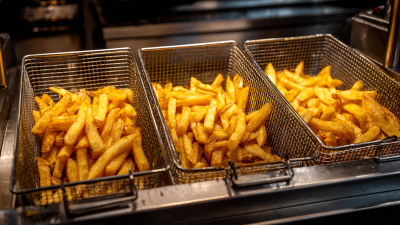
In the highly competitive world of frozen foods, there’s been a real increase in demand for top-notch Frozen French Fries Production Lines. Experts like John Smith, a well-known food processing engineer, often emphasize how important it is to strike the right balance between efficiency and quality. He’s said before, “Investing in the right kind of production line is pretty much essential if you want to keep up with what consumers are expecting.”
That fancy production line doesn’t just impact how good the fries taste — it also affects how smoothly things run overall. Companies like XYZ Foods have started using more advanced tech to make their production more efficient. The result? Less waste and better flavor retention, which is a win-win. That said, finding the sweet spot between innovating and keeping costs in check can definitely be tricky.
And as the market keeps changing, manufacturers really need to stay flexible. Offering ongoing training for employees is super important — it’s easy to get caught up in upgrading machinery and overlook this. Basically, to grow sustainably and stay competitive in the frozen fries game, you gotta focus on both the tech side and your people too.
As the global demand for frozen French fries rises, production lines play a crucial role. The industry witnessed a significant growth rate of 4.5% in recent years, driven by changing consumer preferences. A report by ResearchAndMarkets highlights that the market is projected to reach $20 billion by 2026. These figures reflect a surge in both retail and food service sectors.
Frozen French fries appeal to a wide audience, making them a staple in many diets. The production lines must adapt to varying consumer tastes, such as healthier options. Companies are investing in advanced technologies, enhancing efficiency and product quality. However, challenges remain, such as fluctuating potato prices and labor shortages. The industry's reliance on agricultural commodities makes it vulnerable.
Despite advancements, quality control poses a challenge. Maintaining consistency across batches is vital for customer satisfaction. Some producers struggle to balance cost-effective solutions with the demand for high-quality products. As the market evolves, staying ahead requires constant innovation and adaptation in production lines.
The frozen French fries market is thriving, driven by demand worldwide. Key players in the industry significantly influence trends and innovation. They focus on optimizing production lines to enhance quality and efficiency. High-capacity machinery and advanced techniques are crucial for meeting consumer needs.
Moreover, investing in technology is essential. Many producers adopt automation to streamline operations. This shift improves consistency but may require more initial investment. Firms must balance cost and quality. Understanding consumer preferences plays a vital role too. The trend toward healthier options pushes brands to refine their recipes.
However, competition remains fierce. Smaller producers may struggle to keep up. They often lack the resources of larger firms. This disparity can lead to market gaps. Focusing on niche markets might provide opportunities for growth. This landscape shows the complexities and challenges within the frozen French fries sector.
The frozen French fries market is evolving rapidly, driven by technological innovations in production. New equipment focuses on improving efficiency, reducing waste, and enhancing product quality. Recent data shows that advanced frying techniques can lead to a 30% reduction in oil absorption. This not only lowers production costs but also appeals to health-conscious consumers.
Innovative freezing methods, like flash freezing and cryogenic freezing, preserve the taste and texture of the fries. These technologies minimize ice crystal formation, which can affect product quality. According to industry reports, this process can maintain up to 90% of the original flavor, making a significant impact on consumer satisfaction.
Despite these advancements, challenges remain. Manufacturers must balance technology adoption with cost management. The investment in high-tech machinery requires careful consideration. Additionally, maintaining consistency in quality can be hard with rapid production changes. Continuous monitoring and adjustments are necessary to ensure optimal performance while navigating market demands.
In the frozen french fries industry, quality control is vital for maintaining production standards. A recent report indicated that 65% of consumers prioritize texture and taste when choosing frozen fries. Consistency is key to meeting these expectations. Advanced production lines employ stringent quality checks to ensure uniformity in size, color, and crispiness.
To adhere to quality standards, the selection of raw materials cannot be overlooked. Potatoes should be sourced from reputable suppliers who follow stringent agricultural practices. A study revealed that 70% of production issues stem from poor quality potatoes. Therefore, establishing solid partnerships with suppliers is crucial.
Each production batch must undergo rigorous testing before reaching consumers. Common assessment methods include color analysis and moisture content checks. Evidence suggests that brands utilizing these processes report a 30% reduction in customer complaints. This highlights the importance of investing in quality assurance. Without it, even the finest production lines may face challenges in customer satisfaction.
The frozen french fries market is evolving rapidly. Consumer preferences are central to this shift. People increasingly seek convenience and quality. There is a noticeable trend towards healthier options. For instance, air-fried or less oily alternatives are gaining traction. This reflects a broader demand for snacks that align with wellness goals.
In addition, flavor varieties are becoming essential. Traditional plain fries are no longer enough. Innovative seasonings and unique textures are attracting attention. Some consumers appreciate gourmet options, while others may opt for classic flavors. Each choice reflects individual tastes and lifestyles.
Sustainability also plays a role. Buyers now often prefer products with eco-friendly packaging. This consideration can influence purchasing decisions significantly. The market must adapt to these changing preferences continually. As these trends emerge, businesses face challenges in meeting consumer demands efficiently. Balancing taste, health, and environmental concerns remains complex.
The global trade dynamics play a crucial role in the frozen French fries industry. As demand for frozen snacks rises, producers must adapt their operations. Efficient production lines are essential to meet consumer expectations. These lines ensure consistent quality and efficient packaging, which are vital for export.
Tips: Invest in advanced technology. This can streamline production and enhance product quality. Regular maintenance of equipment also reduces breakdowns and boosts efficiency.
Market access is not uniform. Understanding different regional regulations is vital. Compliance can be challenging yet necessary for successful international trade. Export strategies need to consider local tastes and preferences.
Tips: Research target markets thoroughly. This knowledge helps tailor products to meet consumer demands. Engaging with local distributors can facilitate smoother entry.
The frozen French fries industry is evolving rapidly, with sustainability at its forefront. Eco-friendly approaches are increasingly crucial as consumers demand responsible production practices. According to a recent report by the Food Packaging Institute, sustainable production can reduce greenhouse gas emissions by up to 30%. This is vital as the global food system faces mounting pressure to lower its environmental impact.
One emerging practice is the use of renewable energy in fry production. Facilities that switch to solar or wind energy not only decrease emissions but also demonstrate long-term cost savings. In fact, according to the International Renewable Energy Agency, businesses can save up to 20% in energy costs by implementing renewable methods. This transition requires significant upfront investment but offers a more sustainable path forward.
Packaging also plays a critical role. Many manufacturers are shifting towards biodegradable materials. Around 52% of packaging in the industry now meets eco-friendly standards. However, challenges remain in finding materials that preserve freshness without harming the environment. This balancing act raises questions about effectiveness and sustainability. Embracing innovation is essential, yet the industry must recognize potential shortcomings as it moves toward greener solutions.
: Consumers seek convenience, quality, and healthier options. Air-fried varieties are becoming more popular.
Flavor innovation is key. Traditional fries aren't sufficient anymore, as gourmet and unique options attract consumers.
Eco-friendly packaging is increasingly important. Buyers often prefer products that reflect environmental responsibility.
Efficient production lines are crucial. They ensure consistent quality and create effective packaging for export.
Investing in advanced technology helps. Regular equipment maintenance reduces breakdowns and boosts overall efficiency.
Market access varies. Compliance with local laws is necessary for successful international trade and smoother product entry.
Renewable energy use is increasing. It lowers emissions and can save businesses on energy costs in the long run.
Biodegradable materials are becoming common. However, finding effective options that preserve freshness is still a challenge.
Embracing innovation is essential, yet the balance between effectiveness and sustainability can be complex and imperfect.
Thorough market research is vital. Understanding local preferences helps tailor products to meet consumer needs effectively.
The article "Top Frozen French Fries Production Line for Global Buyers" provides a comprehensive overview of the increasing global demand for frozen french fries and the production lines that cater to this market. It discusses key players in the industry, analyzing the competitive landscape and highlighting innovations in production technologies that enhance efficiency and quality. Ensuring consistency through rigorous quality standards is emphasized as vital for maintaining market relevancy.
Additionally, the article explores current market trends, including shifting consumer preferences that influence frozen french fries demand. The role of global trade in shaping export dynamics and the importance of sustainability practices are also examined, showcasing eco-friendly approaches in frozen fry production. Overall, the insights presented reveal how the Frozen French Fries Production Line is pivotal in meeting both consumer expectations and industry standards.