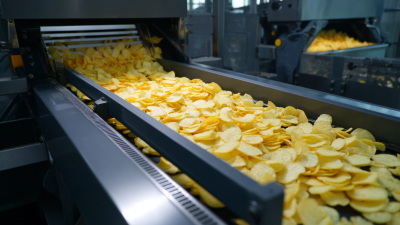
The Frozen French Fries Production Line is honestly pretty amazing when you think about it. It’s basically a smooth process that takes fresh potatoes and turns them into those crispy, delicious fries we all love, ready to pop into the oven or fryer. Big names like McCain Foods and Lamb Weston have really nailed this down over the years, perfecting the method. Thanks to some pretty advanced machinery, they manage to keep everything running efficiently while making sure the quality stays consistent.
It all starts with sourcing top-notch potatoes. Each one gets a careful look-over before anything happens to it. After peeling and cutting, the potatoes go through a blanching process—that’s really important because it helps preserve the flavor and the texture of the fries. Honestly, getting that perfect fry isn’t exactly straightforward; there's usually a lot of trial and error involved. Every batch can bring its own little challenges, so it’s kind of an ongoing process of tweaking and improving.
Then, the fries get frozen quickly to lock in their freshness. Even though the process sounds pretty straightforward, a Frozen French Fries Production Line has to stay adaptable. Sometimes, adjustments are made on the fly to boost quality or meet what consumers are craving. All these little nuances are super important for companies that want to stay ahead in this competitive market—and trust me, understanding this stuff really helps in pushing that edge.
Frozen French fries have become a staple in many households and restaurants worldwide. According to industry reports, global consumption of frozen potato products has been rising annually at approximately 4.5%. This surge is driven by convenience and changing consumer preferences. Many enjoy the crispy texture and rich flavor that frozen fries provide, making them a go-to side dish.
The process of freezing preserves the nutritional value of potatoes while adding a crispy texture. Despite their popularity, some critiques remain regarding nutritional content. Frozen products can often contain higher levels of sodium and preservatives. Awareness of these factors can influence consumer choices. Some health-conscious buyers are seeking alternatives, such as air-fried or homemade options. However, there is still a strong demand for frozen varieties.
Furthermore, frozen French fries cater to various market segments. Fast food chains and restaurants rely on these products for their speed and ease of preparation. Yet, as tastes evolve, some consumers are not satisfied with the quality of certain frozen options. This presents an opportunity for producers to innovate. They can focus on enhancing flavors, reducing sodium, or offering organic choices.
Frozen French fries production lines are intricate systems designed for efficiency. These lines automate various steps, ensuring consistent quality and rapid output. The process begins with raw potatoes, which are carefully selected and washed. This stage is crucial because the quality of the potatoes directly affects the final product. After washing, the potatoes are peeled, either mechanically or chemically, depending on the production method.
Next, the potatoes are cut into uniform shapes. This helps in achieving an even cooking process later. The cut potatoes then undergo blanching. Blanching is essential; it helps in preserving color and flavor while reducing microbial loads. After this, the fries are cooled and dried. This step is vital to avoid excess moisture during frying.
Tips: When setting up a production line, consider the energy efficiency of your machinery. Regular maintenance can prevent costly downtimes. It’s also important to monitor the quality of raw materials closely. A minor flaw in potato quality can lead to significant losses in the final product.
Following the drying phase, the fries are fried in oil, which adds flavor and ensures they become crispy. The final steps include freezing and packaging. Freezing is done rapidly to lock in freshness. Packaging must be done in a way that prevents freezer burn. Adjusting the packaging method may require experimentation to find what works best.
| Process Stage | Description | Equipment Used | Common Parameters |
|---|---|---|---|
| Raw Potato Receiving | Potatoes are received from suppliers and inspected. | Conveyor Belt, Scale | Weight: 10,000 kg/hour |
| Washing | Potatoes are washed to remove dirt and contaminants. | Washers, Water System | Water Temp: 20°C |
| Peeling | Potatoes are peeled to remove the skin. | Peeling Machines | Peel Rate: 98% |
| Cutting | Peeled potatoes are cut into fry shapes. | Fry Cutters | Cut Size: 10 mm |
| Blanching | Cut fries are blanched to enhance color and texture. | Blanching Tanks | Temp: 80°C, Time: 5 min |
| Drying | Fries are dried to remove excess moisture. | Dryers | Humidity: |
| Frying | Fries are cooked in hot oil for texture and flavor. | Fryers | Oil Temp: 180°C, Time: 3 min |
| Freezing | Fried fries are quickly frozen for preservation. | Freezing Tunnels | Temp: -18°C |
| Packaging | Frozen fries are packaged for distribution. | Packing Machines | Bag Weight: 1 kg |
A frozen French fries production line consists of several key components. Each part plays a vital role in ensuring the fries are high quality and safe for consumption. The journey begins with raw potato reception. Potatoes must be fresh, and their quality impacts the final product. A poor selection can lead to inconsistencies in taste and texture.
Once received, the potatoes are washed and peeled. This simple step is crucial; any dirt or peel residues can affect the overall quality. Following this, the potatoes are cut into desired shapes. The cutting process can vary, producing different fry styles like shoestring or crinkle-cut. Each style requires specific machinery, and the precision in cutting impacts cooking times and flavors.
After cutting, the fries go through a blanching process. This step removes excess starch and helps in retaining color and texture during freezing. Some production lines might add seasoning at this stage, enhancing flavor. Finally, the fries are blanched, cooled, and frozen. The freezing process helps preserve their taste, but the right techniques and equipment are critical. Any misstep can lead to soggy or discolored fries. Efficient production lines must be monitored closely to maintain product quality.
The production of frozen French fries is a fascinating process, combining efficiency and precision. It begins with selecting high-quality potatoes. The potatoes are then washed thoroughly to remove dirt and debris. After washing, they are peeled—either mechanically or by hand—depending on the production line’s design. This step is crucial as it influences the final texture of the fries.
Cutting the potatoes follows. This can be done in various shapes, like thick, thin, or crinkle-cut. Each shape provides a different eating experience. After cutting, the fries undergo a blanching process in hot water or steam. This helps to remove excess starch and ensures even cooking. A little extra attention is needed here; over-blanching can lead to a mushy texture, while under-blanching might leave the fries raw.
Following blanching, the fries are cooled rapidly to halt the cooking process. The next step involves frying them partially in oil. This process creates a crispy outer layer. However, managing the frying temperature can be tricky. Overheating might burn the fries, while too low of a temperature could lead to greasy results. Finally, the fries are quickly frozen to lock in freshness before packaging. This step is essential for maintaining taste and texture during storage.
In the production of frozen French fries, quality control is critical. Maintaining the right texture and flavor starts at the raw material selection. Potatoes must be fresh and of high quality. Suppliers should meet specific standards to ensure consistency. Each batch of potatoes undergoes inspection before processing. This initial step is vital for a successful end product.
Throughout the production line, various checks are implemented. Temperature management during frying is crucial. Overcooking can lead to undesirable flavors while undercooking yields a soggy texture. Regular monitoring of oil quality is also necessary to prevent flavor contamination. Additionally, color and size are assessed to ensure uniformity. Each fry should meet strict standards for the best customer experience.
Despite rigorous measures, challenges remain. Variations in potato quality can affect final products. Equipment maintenance is another area that needs attention. Any malfunction can compromise quality control. Continuous improvement and adaptation are essential in addressing these issues. A commitment to quality enhances both product reliability and consumer trust in the market.
The packaging and storage of frozen French fries play a vital role in maintaining their quality and extending shelf life. In 2020, the frozen French fries market was valued at approximately USD 22 billion globally. This figure is projected to grow significantly as convenience foods gain popularity. Proper packaging ensures minimal moisture absorption and loss of texture. Vacuum-sealed bags are often preferred, as they protect fries from freezer burn and maintain their crispiness.
Storage conditions are equally crucial. The ideal temperature for frozen fries is below -18°C (0°F). Keeping them consistently at this temperature prevents the formation of ice crystals, which can affect quality. However, many storage facilities struggle with temperature fluctuations. According to a report by the Food and Agriculture Organization, maintaining proper temperatures in storage can reduce spoilage rates by up to 30%. It highlights the importance of investing in efficient cold chain logistics.
Moreover, labeling and shelf life are essential aspects. Consumers expect clear expiry dates and storage instructions. It is surprising that many manufacturers overlook this. Without proper labeling, fries may be discarded prematurely, leading to unnecessary waste. Attention to detail in packaging and storage helps balance quality, sustainability, and economic viability in the frozen fries market.
The frozen French fries production line is evolving rapidly. Innovations focus on enhancing efficiency, quality, and sustainability. One significant trend is the shift to automation. Advanced robotics handle tasks like sorting and packaging. This reduces labor costs and increases consistency in product quality. As productivity rises, manufacturers can meet the growing demand for frozen fries.
Another important aspect is the incorporation of healthier processing techniques. Many producers are exploring ways to reduce oil content while maintaining flavor. This change responds to consumer preferences for healthier options. Some are even using air-frying technologies during production. However, refining these methods presents challenges. Balancing health and taste is not simple, and there are still improvements to be made.
Sustainability is a primary concern as well. The industry is looking for ways to minimize waste. Using energy-efficient machinery can lower the carbon footprint. However, the transition is complex and may require significant investments. Industry leaders must evaluate their practices to embrace eco-friendly solutions effectively. The future of frozen French fries production holds promise, but the journey is only beginning.
The optimization of snack production is a crucial factor in meeting growing consumer demands while maintaining efficiency and quality. Recent industry reports highlight the significance of automation in enhancing processes like the production of French fries. A fully automatic production line is a game-changer, allowing for the simplification of potato chip manufacturing with minimal human intervention. This technology not only streamlines operations but also significantly reduces labor costs, freeing up resources for quality control and innovation.
Moreover, modern equipment boasts high capacity, with the ability to produce up to 100 tons of snacks per hour. This is particularly beneficial for large-scale operations that require consistent output without compromising on quality. The versatility of these systems is another advantage, as they can handle a variety of raw materials, including both fruits and vegetables, enabling manufacturers to diversify their product offerings. This flexibility can help businesses to adapt to changing consumer preferences and market trends.
Efficiency in power consumption also plays a vital role in optimizing production. With the capability to operate on multiple voltage options—such as 110V, 220V, and 380V—these machines cater to global markets, making them ideal for manufacturers aiming to expand their reach. Additionally, local manufacturing ensures a level of quality and reliability that is critical in maintaining competitive advantage in the snack industry. Embracing these innovative technologies is essential for companies looking to enhance their production capabilities and sustain growth in a dynamic marketplace.
: Frozen French fries are made from fresh potatoes. Quality potatoes impact taste and texture.
Their popularity stems from convenience and satisfying taste. Many enjoy the crispy texture they provide.
Some frozen fries contain high sodium and preservatives. Health-conscious consumers often seek healthier options.
They undergo several steps: washing, peeling, cutting, blanching, and freezing. Each step affects final quality.
Proper packaging prevents moisture absorption and freezer burn. Vacuum-sealed bags help maintain crispiness.
The ideal storage temperature is below -18°C (0°F). Consistent temperature prevents ice crystal formation.
Efficient production ensures high quality. Mistakes can lead to soggy or discolored fries.
Clear labels prevent premature disposal. Many manufacturers neglect this detail, leading to waste.
They can enhance flavors, reduce sodium, or offer organic options. Consumers want better quality choices.
Inconsistencies in taste can arise from poor potato selection. Quality control is essential throughout the process.
The Frozen French Fries Production Line is a sophisticated system designed to efficiently manufacture frozen french fries, a popular snack enjoyed worldwide. This production line encompasses several key components such as potato washing, peeling, cutting, blanching, frying, freezing, and packaging. Each stage is crucial to ensure that the final product meets quality standards and retains its flavor and texture.
The process of producing frozen french fries involves a series of carefully controlled steps, from selecting the right potatoes to implementing quality control measures at various stages. Packaging and storage are also vital for maintaining the product's freshness and extending its shelf life. As consumer preferences evolve, future trends in this production technology may include innovations aimed at enhancing sustainability and improving processing efficiency, ultimately leading to better quality frozen french fries.