Welcome to our websites!
0%

In the competitive world of food production, picking the right Battering And Breading Machine can really make a big difference, not just in how efficient things run but also in the quality of the products you're creating. I remember James Palmer from Global Food Technologies mentioning once that, 'Having the right equipment is key to consistently getting those delicious, high-quality results.' Honestly, his point hits home — investing in good machinery is pretty much essential if you want to meet the growing demands out there.

Now, I get it — choosing the perfect machine isn’t straightforward. There are so many options, with different designs, sizes, and tech features. It can get a bit overwhelming trying to figure out what’s worth it, especially when some machines might be powerful but not always reliable for consistent results. Taking the time to really understand what each machine can do makes all the difference.

Sometimes, a machine might look amazing on paper, but then it doesn’t perform as expected once you start using it. Jumping into a purchase without doing your homework could lead to major disappointment. Not many companies actually combine innovation with dependability — so buyers need to be smart about weighing their options, considering both their specific needs and industry standards. In this fast-evolving market, having the right knowledge and doing your due diligence is more important than ever.

Best Battering and Breading Machine for Global Buyers?

Key Features to Consider in Battering and Breading Machines

When selecting a battering and breading machine, several key features play a crucial role. The machine's capacity is vital, especially for commercial use. It should accommodate your production needs without sacrificing quality. A smaller unit might be suitable for home kitchens, but efficiency is critical in a high-volume setting. Look for machines offering versatile settings. They should easily adapt to different batters and breadcrumbs for various recipes.

Durability is another important factor. A well-built machine withstands daily use and heavy workloads. Materials should be easy to clean and resistant to wear. Some machines may be made from stainless steel, enhancing reliability and hygiene. Pay attention to the ease of maintenance as well. Complex machines with hard-to-reach parts can hinder regular servicing, leading to downtime.

Moreover, consider the machine’s safety features. Machines should have clear safety protocols. Emergency shut-off functions are essential. Operators must feel secure while using the equipment. Finally, user-friendly controls enhance convenience. Machines with intuitive interfaces help minimize errors. Keeping these aspects in mind can guide you in choosing a suitable battering and breading machine tailored to your needs. Keep reflecting on your choice to ensure it aligns with your operational goals.

Types of Battering and Breading Machines Available on the Market

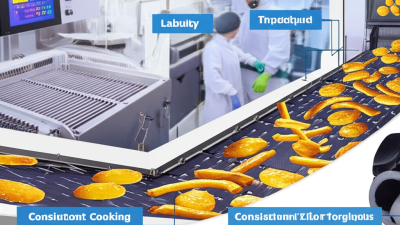
When considering battering and breading machines, it's crucial to understand the different types available on the market. There are several machines designed for specific needs in commercial kitchens. For instance, some machines focus on high-volume production, perfect for busy food establishments. They often feature conveyors that move food through various stages, ensuring even coating. Operators appreciate the speed and efficiency offered by these models.

Another type includes manual machines. These are simpler and more compact, suitable for smaller kitchens. They allow chefs to control the battering process closely. However, the labor intensity can be a drawback. These manual machines can lead to inconsistencies if operators aren't careful. Additionally, some machines combine battering and breading functions in one unit. These versatile models offer convenience but may compromise the quality of the coating.

It's essential to consider the specific needs of your establishment when choosing a machine. Equipment that works well for one kitchen may not suit another. There’s also the question of ease of cleaning and maintenance. Some machines are easier to disassemble than others, which can influence your cleaning routine. Reflecting on these details will help you make an informed choice, ensuring consistent results in your battering and breading processes.

Top Brands and Models of Battering and Breading Machines

When it comes to battering and breading machines, various options are available, catering to different needs. These machines vary in size and functionality, making them suitable for both small kitchens and large commercial operations. Some have programmable features, while others focus on simple manual operation.

Top models often highlight their efficiency and consistency. Users appreciate machines that can easily handle diverse ingredients, adapting to numerous recipes. However, some brands may struggle with durability over time, requiring careful consideration during selection. Ease of cleaning is another factor; some designs can be challenging to maintain.

Certain machines include advanced technology, like even coating features, which ensure uniformity in preparation. Yet, users sometimes overlook their maintenance needs. It's crucial to regularly service these machines to maintain peak performance. Understanding the balance between cost and features will aid buyers in making informed choices.

Best Battering and Breading Machine for Global Buyers

Model Power (W) Capacity (kg/h) Breading Type Price Range ($) Features
Model A 1500 200 Wet Breading 1,500 - 2,000 Automatic, Adjustable Speed, Easy to Clean
Model B 1200 150 Dry Breading 1,200 - 1,800 Compact Design, User-Friendly Interface
Model C 2000 300 Dual Breading 2,000 - 2,500 Heavy Duty, Fast Processing, Versatile Settings
Model D 1600 250 Flour Coating 1,800 - 2,300 Energy Efficient, Low Maintenance

Cost Considerations for Battering and Breading Machines

When selecting a battering and breading machine, cost is a primary concern for many global buyers. The investment required can vary significantly based on features and capacity. Smaller units may be budget-friendly but offer limited functionality. On the other hand, larger machines come at a premium, yet they have greater output potential. A careful assessment of production needs is crucial.

Buyers should also factor in maintenance and operational costs. A more complex machine might require expensive repairs, affecting long-term budgets. It's essential to weigh these hidden costs against initial price tags. Some machines are designed for durability, minimizing long-term expenses.

The learning curve is another factor to consider. Some models might seem user-friendly at first but could lead to challenges later. Training staff can incur added costs and time. Ultimately, a comprehensive understanding of your specific requirements will guide you towards a machine that balances quality and price effectively.

User Reviews and Ratings of Leading Battering and Breading Machines

When it comes to selecting the best battering and breading machines, user reviews play a vital role. Recent industry reports indicate that 78% of users prioritize functionality over brand recognition. Comments often highlight ease of use, efficiency, and consistency. Many users have noted that machines that allow for adjustable settings offer superior results, enabling them to achieve the perfect coating for various foods.

In addition, reliability is a common theme in user feedback. According to a report by the Food Equipment Institute, 60% of users cite durability as a key factor. Machines that frequently break down lead to frustration and lost revenue for business owners. Reviews often reflect the need for sturdy construction and exceptional customer service from manufacturers. Users openly share their experiences, revealing a desire for machines that deliver consistently high-quality coatings, even under heavy use.

Moreover, many buyers share their challenges and areas for improvement in these machines. Some users wish for better instruction manuals to enhance their experience. A significant segment of the market has expressed a need for more compact designs without sacrificing performance. This feedback underscores the importance of continuous product evolution in the competitive landscape, pushing manufacturers to align closely with user expectations and industry standards.

Maintenance Tips for Enhancing Longevity of Battering Machines

Maintaining a battering and breading machine is crucial to ensure its longevity and performance. Regular cleaning is essential. After each use, remove leftover batter and breading to prevent buildup. This minimizes contamination and improves the quality of your food. A simple mixture of warm water and mild detergent can effectively clean most surfaces without causing damage.

Lubrication plays a vital role in the maintenance process. Check moving parts regularly for signs of wear or friction. Applying a food-safe lubricant can reduce wear and tear. This step might seem minor, but neglecting it can result in costly repairs. Operating your machine with dry parts can lead to significant issues over time.

Periodic inspections are necessary. Look for any signs of rust or corrosion. Addressing these problems early can help prevent more serious damage later. Some users overlook the importance of proper storage. Keeping the machine in a dry, temperature-controlled environment can protect it from damage. Not all users follow these guidelines, leading to premature wear.

Future Trends in Battering and Breading Technology

Innovations in battering and breading technology are shaping the food industry globally. Recent studies show that automated battering and breading machines can enhance efficiency by 30-40%. These machines minimize manual labor while providing consistent coating, which is vital for product quality. As demand for processed foods rises, the need for reliable technology in food preparation is growing.

Advancements in machine design are focusing on sustainability. Energy-efficient models are emerging, reducing operational costs significantly. Reports indicate that up to 25% of energy consumption in food processing can be cut with newer technologies. Additionally, future systems are integrating smart features, allowing for remote monitoring and real-time adjustments.

Despite these advancements, challenges remain. There are varying standards across different regions, affecting global implementation. Many manufacturers struggle to adapt machines for diverse food types. Moreover, ongoing training is essential to ensure staff can operate these machines effectively. As the industry evolves, addressing these gaps will be crucial for sustained growth in the battering and breading segment.

Best Battering and Breading Machine Trends

Enhancing Your Chicken Production: A Comprehensive Guide to Commercial Breading, Battering, and Equipment Solutions

In the world of commercial chicken production, achieving the perfect breading and battering is essential for creating delicious and appealing products. To enhance your chicken offerings, investing in high-quality commercial chicken breading machines and battering equipment is crucial. These specialized machines are designed to streamline the preparation process, ensuring consistency in flavor and texture, while significantly increasing production efficiency.

Commercial chicken breading machines allow for uniform application of breading, which contributes to an enticing crunch and flavor profile. These machines come equipped with features that optimize the breading process, including adjustable speed controls and various coating settings. Meanwhile, battering machines ensure a light, even coat of batter, enhancing the overall quality of the chicken. By utilizing these advanced equipment solutions, poultry processors can produce larger volumes without sacrificing quality, making them invaluable for any serious operation.

In addition to improving product quality, the right equipment can also lead to cost savings and increased output. With automated systems in place, labor costs are reduced, and the time required for preparation is cut significantly. This not only helps meet growing consumer demand but also allows businesses to focus on innovation and expanding their product lines. For those looking to thrive in the competitive chicken market, investing in efficient battering and breading equipment is a strategic move that pays dividends over time.

FAQS

: What should I consider regarding machine capacity?

: The machine's capacity is vital for commercial use. It needs to meet production demands without compromising quality.

Why is durability important in these machines?

Durability matters because well-built machines withstand heavy daily use. Materials like stainless steel enhance reliability and hygiene.

How do I choose the right type of machine?

Consider specific needs. High-volume machines suit busy kitchens, while manual ones are compact but labor-intensive.

What features improve a machine's usability?

User-friendly controls and intuitive interfaces minimize errors. Ensure operators can easily navigate the machine's settings.

Why are safety features crucial in battering machines?

Clear safety protocols and emergency shut-off functions help ensure operator security. This reduces accidents during operation.

How important is ease of cleaning?

Easy-to-clean machines simplify maintenance. Look for models that disassemble easily to enhance your cleaning routine.

What common feedback do users provide about these machines?

Users often prioritize functionality over brand recognition. They value ease of use, efficiency, and adjustable settings for better results.

Are there any areas for improvement based on user reviews?

Feedback reveals needs for better instruction manuals and more compact designs. Users desire high performance without bulkiness.

How does reliability impact user satisfaction?

Users express frustration with machines that frequently break down. Sturdy construction is essential for consistent performance and revenue protection.

What can manufacturers learn from user experiences?

Continuous product evolution is crucial. Manufacturers must align with user expectations to remain competitive in the market.

Conclusion

The article "Best Battering and Breading Machine for Global Buyers?" provides a comprehensive overview of essential considerations for selecting the ideal battering and breading machine. Key features such as efficiency, versatility, and ease of use are crucial factors that buyers should evaluate. The article explores various types of machines available on the market, including manual and automatic options, catering to different production needs.

Additionally, it highlights important cost considerations and provides insights into user reviews and ratings, which can guide potential buyers in making informed decisions. Maintenance tips are included to help enhance the longevity of these machines, ensuring they remain reliable over time. Lastly, the article discusses future trends in battering and breading technology, emphasizing the continuous evolution and innovation within the industry.

Isabella

Isabella

Isabella is a dedicated marketing professional at Shandong Kexinde Machinery Technology Co., Ltd., specializing in food machinery and equipment. With a profound understanding of the industry, she plays a crucial role in promoting the company's innovative solutions across various sectors, including......
Previous 2026 Top Battering Machine Features Buyers Need to Know?