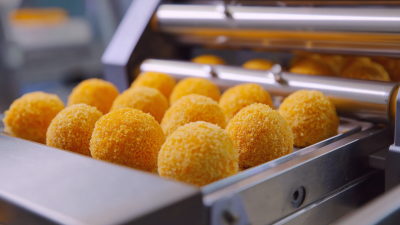
The Steam Retort Machine is definitely going to be a star attraction at the 2026 Canton Fair. If you're into food processing, you'll want to check this out—it's key for making sure food stays safe and top quality. Made by some of the top companies in the biz, it packs quite a bit of advanced tech under its hood. Visitors will probably notice how compact it is and how smoothly the steam circulates—it’s pretty impressive.
People attending will really get how important this kind of equipment is for the food industry. It’s a critical piece when it comes to sterilization and keeping spoilage at bay. The fair’s focus on innovation fits right in with how quickly the market’s changing. That said, there are always some hurdles—like trying to use less energy and water. Companies are eager to show off their latest improvements, but honestly, sometimes their claims can be a bit overhyped.
This year’s fair also brings in AI tools, which should make the experience even better. These clever features will help buyers quickly find the right vendors—pretty handy, right? With a bigger exhibition space, there’s so much room for creative displays of the Steam Retort Machine. Competition will be fierce, and looking back at past innovations can give us good ideas for what’s coming next. Plus, attendees will get a chance to chat with industry experts and gain some real insights into this vital tech—definitely worth sticking around for.

What is a Steam Retort Machine?
A steam retort machine is vital in food processing. It ensures food safety through sterilization. By using steam under pressure, it effectively eliminates bacteria and pathogens. This process is key in preserving food for longer periods.
Reports indicate that the global sterilization equipment market is projected to reach $6.3 billion by 2026. This growth highlights the demand for advanced food preservation methods. The steam retort machine plays a crucial role in meeting these needs.
**Tips:** Always ensure proper maintenance of your steam retort machine. A poorly maintained machine can affect food quality. Regular checks can extend its lifespan.
Operators should receive thorough training on safety protocols. Improper handling can lead to accidents. Investing in training is essential for safety and efficiency.
Steam Retort Machine Market Analysis
This bar chart provides an overview of the global sales of steam retort machines from 2021 to 2025. As seen, the demand for steam retort machines is projected to grow steadily, indicating a robust market in the coming years.
Key Functions and Applications of Steam Retort Machines
Steam retort machines are vital for food processing and preservation. They utilize high-pressure steam to eliminate bacteria and other microorganisms. This method ensures the safety and shelf life of food products. These machines are commonly used in canning and packaging industries. They provide uniform heating, which is crucial for thorough sterilization.
In 2026, the Canton Fair will showcase advanced steam retort technologies. Many companies will display their newest models, highlighting efficiency and safety. The trend is leaning towards automation, making operations smoother. This provides an opportunity for smaller businesses to compete with larger firms.
Tips: When selecting a steam retort, consider the capacity that fits your needs. It's wise to assess the space available in your facility. Regular maintenance is crucial. This ensures consistent performance and prolongs the equipment's lifespan. Investing in quality training for operators can lead to better results. It minimizes errors and improves safety protocols.
Technological Advancements in Steam Retort Machines for 2026
The steam retort machine is a vital component in industrial food processing. For the 2026 Canton Fair, advancements promise to reshape the industry. Recent data indicates that the global steam retort machine market is expected to grow at a CAGR of 6.2% through 2026, driven by the rising demand for safe food preservation.
One noteworthy advancement is enhanced energy efficiency. Newer models incorporate heat recovery systems, reducing energy consumption by up to 30%. This embraces sustainability while decreasing operational costs. Additionally, innovations in automation now allow for precise control over temperature and pressure. This results in better product quality and consistency. However, the reliance on automated systems raises questions about potential machine failures and the need for skilled operators.
Technological integration also plays a significant role in data monitoring. Some machines now feature IoT capabilities, enabling real-time monitoring and analytics. This can lead to improved decision-making but comes with cybersecurity concerns. As food safety regulations evolve, manufacturers must consider compliance alongside technological investments. Balancing these factors will be crucial for success in the years to come.
Benefits of Using Steam Retort Machines in Food Processing
Steam retort machines play a vital role in modern food processing. According to a recent report by the Food Processing Industry Association, the market for these machines is expected to grow by 7.5% annually until 2026. This reflects a rising demand for safe, shelf-stable food products. The steam retort method ensures that food is safely preserved, eliminating harmful bacteria effectively. This process is crucial for achieving a long shelf life without sacrificing taste or nutrition.
Using steam retort machines also promotes operational efficiency. They can process large batches quickly, which saves time and resources. Industry studies indicate that using these machines can reduce energy consumption by up to 30% compared to traditional methods. However, some manufacturers still struggle with proper calibration and maintenance of these machines. Ensuring optimal performance requires regular training and attention. It is crucial to recognize these shortcomings to improve overall productivity and quality in food processing.
Another benefit of steam retort machines is their versatility. They can handle various types of food products, from canned soups to ready-to-eat meals. A report by Food Technologists highlights that products processed in steam retorts can maintain over 95% of their original nutrients. Yet, many operators often overlook the importance of thorough monitoring during the cooking cycles. This oversight can lead to inconsistent product quality. Addressing these issues can enhance the reliability of steam retort technology in food processing.
Comparison of Steam Retort Machines with Other Sterilization Methods
When comparing steam retort machines with other sterilization methods, several factors come into play.
Steam retorts utilize high-pressure steam to achieve sterilization. This process is effective against various microorganisms and is ideal for canned goods. According to a 2022 industry report, steam sterilization can achieve a 99.9999% reduction in microbial load when properly implemented.
In contrast, other methods like dry heat sterilization and chemical sterilization often require longer cycles and less effective outcomes. Dry heat takes significant time to reach desired temperatures, sometimes exceeding two hours. Meanwhile, chemical sterilization may leave residue, which raises safety concerns. A recent study highlighted that steam processes often require about 30 to 60 minutes to ensure efficacy, appealing to manufacturers with tight production schedules.
Nonetheless, steam retorts aren't without challenges. They require careful pressure and temperature control, which can complicate operations. Operators need to undergo extensive training to manage these systems efficiently. It's worth noting that steam retorts can have higher initial costs. However, their speed and safety benefits may outweigh these expenses in the long term, making them a worthy consideration for food processors at events like the Canton Fair.
Overview of Manufacturers Exhibiting at the 2026 Canton Fair
The 2026 Canton Fair will showcase a range of innovative steam retort machines. These machines are essential for food safety and preservation. Many manufacturers will present their unique designs and technologies. They aim to enhance cooking and sterilization processes in the food industry.
Exhibitor booths will feature various models. Some are compact for smaller operations. Others are designed for large-scale industrial use. Attendees can see live demonstrations. This will highlight their efficiency and ease of use. Manufacturers will discuss how their machines reduce energy consumption. However, some users express concerns about maintenance challenges.
Networking opportunities abound for those interested in steam retort machines. But, not all products will meet every need. Each manufacturer's offerings will have strengths and weaknesses. Potential buyers should carefully evaluate what fits best for their operations. There’s a learning curve, and feedback from previous users can guide decisions.
What is Steam Retort Machine for 2026 Canton Fair? - Overview of Manufacturers Exhibiting at the 2026 Canton Fair
| Manufacturer Region |
Heat Source Type |
Capacity (Liters) |
Control System |
Safety Features |
| Asia |
Electric |
500 |
PLC with Touchscreen |
Emergency Pressure Release |
| Europe |
Gas |
1000 |
SCADA System |
Automatic Door Lock |
| North America |
Steam |
750 |
Digital Control Panel |
Pressure Sensors |
| South America |
Electric |
400 |
Manual Control |
Overheat Protection |
| Africa |
Dual Fuel |
600 |
Automated Control System |
Fire Alarm System |
Future Trends in Steam Retort Machine Design and Usage
The steam retort machine is evolving rapidly. In 2026, its design reflects cutting-edge technology. More manufacturers are adopting automated systems. Reports indicate that automation can improve efficiency by up to 30%. These machines are designed for precise control over temperature and pressure. This increases safety and product quality.
Sustainability is a key trend. A recent industry report reveals that eco-friendly materials are replacing traditional components. This shift can reduce environmental impact significantly. The focus on energy-efficient designs is notable. Machines now consume 15% less energy than their predecessors. Despite these advancements, challenges remain.
Maintenance still proves to be a significant concern. Operators often face difficulties in troubleshooting automated systems. There is a need for improved training and support. Additionally, while new designs look promising, they come with a learning curve. Addressing these issues will be crucial for widespread adoption. Companies must reflect on these challenges to innovate further.
FAQS
: Enhanced energy efficiency and automation are key advancements. New models may reduce energy use by up to 30%.
Automation allows for precise control over temperature and pressure, improving product quality and consistency.
Users worry about potential machine failures and the need for skilled operators to manage these systems effectively.
IoT capabilities enable real-time monitoring and analytics, enhancing decision-making processes in food preservation.
Cybersecurity is a significant concern when integrating IoT into steam retort machines.
It leads to lower operational costs. This also aligns with sustainability goals in food processing.
Potential buyers need to evaluate each machine's strengths and weaknesses, ensuring it fits their specific operations.
No, each machine may address different needs. Some may be compact while others suit large-scale operations.
Some users report maintenance challenges, highlighting the need for consideration before purchasing machines.
Learning from past users can provide insights and help guide decisions on suitable steam retort machines.
Conclusion
The article delves into the significance of the Steam Retort Machine, highlighting its essential role in food processing by ensuring effective sterilization. It discusses the key functions and applications of these machines, which include preserving food quality and extending shelf life. Technological advancements anticipated for 2026 are also examined, showcasing improvements in efficiency and safety features.
Additionally, the article evaluates the benefits of using Steam Retort Machines compared to other sterilization methods, emphasizing their effectiveness in maintaining food integrity. It provides an overview of manufacturers that will participate in the 2026 Canton Fair, offering insights into current industry trends. Finally, the discussion touches on future trends in the design and usage of Steam Retort Machines, indicating a continued evolution in food processing technology.