
Putting your money into a potato chips processing line could really shake things up for your business. People in the industry often talk about how big of a difference the right equipment can make in snack food production. Like John Smith, a pretty well-known expert in food tech, mentions, you get the right setup, you’re gonna see better efficiency and top-notch quality. His advice just goes to show how important modern machinery really is.
Plus, let’s not forget—demand for potato chips is just climbing everywhere around the world. Having a solid processing line means you can pump out more chips to keep up with the craze. Features like super advanced frying tech can make your chips crunchier and more irresistible. Pay attention to those little details, and you might just stand out in a sea of competitors.
That said, jumping into this kind of investment isn’t something you should do on a whim. Not all processing lines are the same, so you’ve got to think about what your goals really are and what’s in your budget. It’s all about finding a setup that fits your vision and still keeps things reliable for the long haul.

Benefits of Investing in a Potato Chips Processing Line
Investing in a potato chips processing line can significantly enhance your business operations. One key benefit is the ability to streamline production. Automated systems reduce manual labor and speed up the processing time. This means you can produce more chips in a shorter period. Consistency in quality is another advantage. With advanced technology, the chips maintain uniform flavor and texture. This quality assurance can build brand loyalty among consumers.
Cost savings are also noteworthy. While the initial investment may seem high, the long-term savings are substantial. Automation reduces labor costs. Plus, energy-efficient equipment can lower utility bills. Businesses often find that improved efficiency leads to higher profit margins. Additionally, having a dedicated processing line allows for customization. You can experiment with flavors and styles to meet market demands. However, it requires constant evaluation to ensure the investments align with consumer preferences.
The market for snacks is competitive and always evolving. Investing in a potato chips processing line can provide a competitive edge. Yet, it’s essential to conduct thorough market research before proceeding. Understanding your target audience is crucial. Automated operations can create innovative products, but not every new flavor will resonate. Monitoring sales data and customer feedback will guide future decisions.
Why Invest in a Potato Chips Processing Line for Your Business? - Benefits of Investing in a Potato Chips Processing Line
| Benefit | Description | Estimated ROI (%) | Implementation Time (Months) |
|---|---|---|---|
| Increased Production Capacity | Automated processing lines can significantly increase output compared to manual methods. | 25% | 6 |
| Consistent Quality | Advanced technology ensures a uniform product with improved taste and texture. | 20% | 4 |
| Cost Efficiency | Reduction in labor costs and waste, leading to higher profit margins. | 30% | 5 |
| Market Demand | The growing popularity of snack foods ensures a steady consumer base. | 22% | 3 |
| Adaptability | Processing lines can be adjusted for various chip flavors and sizes. | 15% | 2 |


Innovative Solutions for Efficient Potato Processing: The Fully Automatic Production Line for Chips and Snacks
The potato processing industry is experiencing a transformative shift with the advent of fully automatic production lines designed for chips and snacks. These innovative solutions are not only streamlining production but are also enhancing product quality and consistency. As the leader in French fries production technology, manufacturers are now offering advanced systems that integrate total European technology and processes, thereby assuring compliance with EU standards in design, manufacturing, and processing procedures.
The latest production lines come with varying capacities tailored to meet diverse user needs, making them adaptable for small-scale operations as well as large manufacturing facilities. This flexibility is essential, as the global potato chips market is projected to reach USD 28.66 billion by 2027, growing at a CAGR of 5.3% from 2020. Such statistics underline the rising demand for high-quality chips and snacks worldwide. The turn-key solutions provided by these production lines address specific challenges faced by operators, allowing for efficient, continuous output without compromising on quality.
Moreover, the engineering behind these machines balances functionality with user-friendly designs, enabling manufacturers to produce different varieties of potato chips while maintaining a consistent level of quality. The emphasis on professional craftsmanship ensures that the ultimate product—pure potato chips—meets the high expectations of both domestic and international markets. The growing popularity of these production lines emphasizes their pivotal role in satisfying consumer preferences for high-quality snack foods.

FAQS
: Investing enhances production efficiency. It also improves quality control and reduces labor costs significantly.
Automation speeds up processes and reduces manual labor. This allows for higher output in less time.
Long-term savings include lower labor costs and reduced utility bills. Efficient equipment boosts profit margins.
Understanding your target audience helps tailor products. Not every new flavor will attract consumers.
New machinery enhances efficiency and product quality. It also increases healthiness through optimized oil usage.
Adapting to rapid changes can be difficult. Training staff and balancing costs and quality remain concerns.
Strict monitoring ensures consistent taste and texture. Machinery must identify defects to protect consumers.
Contamination poses health risks. Regular cleaning and safe handling practices are essential to prevent issues.
Automation increases efficiency, but human oversight ensures quality. It addresses issues that machines may miss.
Regular maintenance prevents production disruptions. Neglecting this can lead to costly downtime in operations.
Conclusion
Investing in a Potato Chips Processing Line can significantly enhance your business's operational efficiency and product quality. The booming demand for potato chips, driven by consumer preferences for convenient snacks, makes it a lucrative market. A well-designed processing line not only streamlines production but also ensures consistent quality and compliance with food safety standards.
Additionally, the initial investment can yield substantial long-term gains through increased production capacity and reduced operational costs. Embracing innovations in processing technology can further optimize the production process, while effective marketing strategies will help position your potato chips product in a competitive landscape. Overall, a Potato Chips Processing Line is a strategic move for businesses looking to expand their offerings and capitalize on market trends.
Related Posts
-
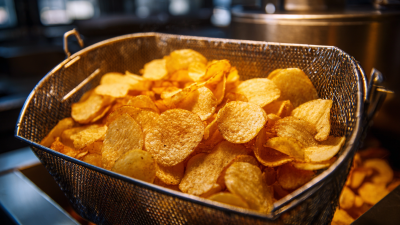
Step-by-Step Guide to Selecting the Best Potato Chips Fryer Equipment for Your Business
-

Why Invest in a Potato Chips Making Machine for Your Business?
-

2026 How to Choose the Best Potato Chips Making Machine?
-

Top 5 Chicken Frying Machines for Perfect Crispy Results?
-

10 Essential Tips for Using a Tempura Battering Machine Effectively
-

Achieving Industry Standards in Potato Chips Production How to Choose the Best Making Equipment
