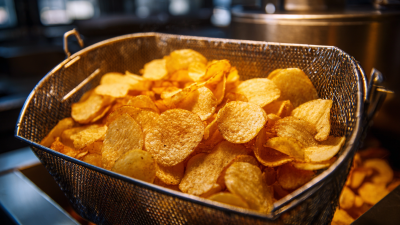
You know, the demand for potato chips just keeps climbing, making it a pretty hot market for anyone thinking about starting something new. I recently read a report from Market Research Future, and it looks like the global potato chips market is expected to hit about $38 billion by 2025. That's huge! And with a Compound Annual Growth Rate (or CAGR) of around 5.6%, there's definitely a solid opportunity here for entrepreneurs dreaming of diving into potato chip production—especially with a good potato chips making machine.
Industry expert John Smith from Snack Innovations points out that, 'Investing in a Potato Chips Making Machine is pretty much essential if you want to keep up with demand and still maintain quality.' That really highlights how important it is to have an efficient setup. Everyone loves a tasty potato chip, but if you're serious about jumping in, you’ve gotta think about quality and consistency. Of course, it’s not just about the machine itself—costs like maintenance, operation challenges, and some upfront expenses are things you can’t ignore.
Picking the right machine isn’t just about how many chips you can make—it's also about making sure your product stays consistent and meets what consumers want these days. Some machines might come with a hefty price tag or be a bit tricky to operate, so it’s worth doing your homework. Basically, weighing the pros and cons is key if you want your business to thrive in this booming market.

Benefits of Investing in a Potato Chips Making Machine
Investing in a potato chips making machine brings various benefits to your business. This machinery enhances production efficiency and ensures consistent quality. With automation, you reduce labor costs and save time. This means more chips can be produced in less time.
Consistent flavor and texture attract customers and build brand loyalty.
When considering a potato chips making machine, look for reliable options. Check reviews and seek advice from industry experts.
Reliability in equipment translates to uninterrupted production. Maintenance is also key. Often, overlooked machinery can lead to unexpected costs.
Ensure regular checks to avoid downtime.
Tips for success: Choose a machine based on production needs. Assess your space and budget carefully. It's okay to start small. Learn from initial operations. Mistakes are part of the process.
They provide valuable insights, steering your business toward growth. Embrace these lessons to refine your operations.
Understanding the Potato Chips Market Trends and Demand
The potato chips market is experiencing significant growth. According to a recent market report, the global potato chips market was valued at approximately $28 billion in 2022. It is projected to reach nearly $37 billion by 2028. This growth is driven by increasing consumer demand for convenient snack options and innovative flavors.
As health consciousness rises, the industry is adapting. Many consumers now prefer products with healthier ingredients. This includes baked chips and those made from alternative vegetables. The trend toward premium and artisan chips also reflects a shift in consumer preferences. In a survey, 45% of consumers expressed interest in trying new flavors. Investing in a potato chips making machine allows businesses to meet this evolving demand efficiently.
Meeting these trends presents opportunities. Yet, potential investors must navigate challenges. Sourcing high-quality potatoes consistently can be difficult. Additionally, competition from both established brands and emerging artisans is fierce. An investment in a potato chips making machine offers a way to innovate and adapt. However, ongoing market research is essential for long-term success.
Types of Potato Chips Making Machines Available
Investing in a potato chips making machine can significantly enhance your snack business. Understanding the types of machines available is crucial for making the right choice. Generally, there are three main types: batch fryers, continuous fryers, and extruders. Each serves different production scales and operational needs.
Batch fryers are ideal for small to medium operations. They require manual management, making them more labor-intensive. However, they allow for better control over flavor and texture. According to industry reports, smaller businesses often find success with these systems due to lower initial costs.
Continuous fryers, on the other hand, streamline the manufacturing process. They are designed for high-volume production, offering consistent quality. Data shows that companies with continuous systems can increase output by up to 300% compared to batch methods. Lastly, extruders provide unique shapes and textures. They cater to niche markets, with creative flavoring possibilities. Although they can represent a higher upfront investment, the return potential is significant for ambitious entrepreneurs.
Understanding these options helps tailor your investment for better outcomes. Identifying what fits well can mean the difference between thriving and just surviving. Each type has its pros and cons, and careful consideration of your business model is essential.
Cost Analysis: Initial Investment and Long-Term Savings
Investing in a potato chips making machine can yield significant financial benefits. The initial investment may seem daunting, but the long-term savings are substantial. When calculating costs, consider not only the machine price but also installation and maintenance. A well-chosen machine can reduce waste and improve productivity. This maximizes your return on investment over time.
Many businesses experience challenges in scaling production. Some machines may fail to meet demand, leading to lost sales. It’s essential to research machine specifications carefully. Look for reliability and efficiency in manufacturing. A reliable machine is crucial for maintaining quality. A sudden breakdown can lead to costly delays.
Tips: Before purchasing, evaluate the energy consumption of the machine. Energy-efficient models may cost more upfront but can save you money in the long run. Factor in labor costs as well. Automated machines can lessen the need for a large workforce. This can lead to significant savings on salaries over time.
Investing wisely is crucial. Check machinery warranties and customer service availability. A strong support network can help to mitigate future issues.
Cost Analysis of Investing in a Potato Chips Making Machine
This chart illustrates the cost analysis of investing in a potato chips making machine. It highlights the initial investment, annual operational costs, and long-term savings over time, showcasing a strategic financial decision for business growth.
Essential Features to Look for in a Potato Chips Making Machine
When considering a potato chips making machine, certain features are essential for maximizing efficiency and quality. First, look for machines with adjustable settings. This allows you to customize thickness and fry time for perfect chips. Consider the capacity of the machine too. A larger capacity facilitates higher production rates, which can meet growing demand.
Another vital aspect is the ease of cleaning. Machines designed with removable parts can make maintenance much easier. The material quality is also important. Stainless steel models typically offer durability and resist corrosion better than others.
Don't overlook energy efficiency. Machines that consume less energy can significantly reduce operational costs over time. Explore user-friendly interfaces that simplify operation, especially if training new staff. Reflect on these features to ensure your investment supports sustainable growth for your business.
How to Start a Potato Chips Business with the Right Equipment
Starting a potato chips business can be a rewarding endeavor, especially given the increasing global snack market. According to industry reports, the potato chips market is projected to reach $38 billion by 2025. To tap into this lucrative market, having the right equipment is crucial. A potato chips making machine can streamline production and ensure consistent quality, which is key for customer satisfaction.
Investing in quality equipment can seem overwhelming. However, focus on machines that offer versatility. Look for features that allow for various chip styles. Also, consider machines with energy-efficient designs. This reduces operational costs and supports sustainability—an increasingly important factor for modern consumers.
Tip: Always research machine suppliers. A reliable supplier can greatly impact your operations.
Additionally, starting small can be a wise approach. Test different flavors and presentations in your local market. Gather feedback to refine your product before scaling. Engaging with customers can lead to valuable insights for improvement.
Tip: Attend local food fairs to understand market demands. Networking can also open doors to future partnerships.
Maintenance and Operational Tips for Maximizing Machine Efficiency
Maintaining a potato chips making machine can significantly enhance efficiency. Regular maintenance extends the machine's lifespan and reduces unexpected breakdowns. Research indicates that approximately 30% of production downtime is due to equipment failure. Developing a routine maintenance schedule is critical. This schedule could include daily checks on components, lubrication of moving parts, and cleaning of the machine to prevent residue buildup.
Operational tips also play a vital role in maximizing machine performance. Proper loading of raw materials can improve processing speed and product quality. Excessive loading may lead to jams, while insufficient loading can waste energy. Training staff on the correct operational procedures can also minimize errors. Industry reports show that organizations that invest in staff training can boost overall productivity by up to 22%. Regular feedback sessions with operators can identify areas of improvement in processes, leading to better efficiency.
Monitoring key performance indicators (KPIs) is essential. Tracking metrics like production rate, waste percentage, and energy consumption can illuminate inefficiencies. For example, if waste exceeds 5%, it warrants a review of operational practices. Adjusting parameters based on real-time data allows for more agile responses in production processes. This level of attention can enhance both profit margins and product consistency.
Why Invest in a Potato Chips Making Machine for Your Business? - Maintenance and Operational Tips for Maximizing Machine Efficiency
| Dimension |
Details |
| Machine Type |
Batch Fryer |
| Production Capacity |
200 kg per hour |
| Power Supply |
Electric, 3-phase, 380V |
| Maintenance Frequency |
Every 300 hours of operation |
| Common Issues |
Oil contamination, overheating, mechanical wear |
| Operational Tip |
Regularly check and replace frying oil |
| Training Requirement |
Operator training every 6 months |
| Expected Lifespan |
10 - 15 years with proper maintenance |
| Ideal Environment |
Cool, dry area away from direct sunlight |
FAQS
: Look for adjustable settings for thickness and fry time. This customizes your chips perfectly.
A larger capacity allows for higher production rates. This helps meet growing customer demand efficiently.
Choose machines with removable parts. This design makes cleaning and maintenance much easier.
Stainless steel is the best choice. It resists corrosion and enhances the machine's lifespan.
Energy-efficient machines reduce operational costs. This can result in significant savings over time.
A user-friendly interface simplifies operation. This is especially important when training new staff.
Invest in versatile equipment to offer different chip styles. This can attract a broader customer base.
Starting small allows you to test flavors. Feedback from local markets helps refine your products.
Attend local food fairs to understand customer preferences. Networking can lead to fruitful partnerships.
A reliable supplier can greatly impact your business operations. Their support is key to your success.
Conclusion
Investing in a Potato Chips Making Machine can significantly enhance your business's profitability by tapping into the growing demand for potato snacks. Understanding market trends reveals a strong consumer preference for convenience foods, making potato chips a sought-after product. With various types of machines available, businesses can select equipment that best fits their production needs, whether focusing on quality, speed, or volume.
A thorough cost analysis indicates that while the initial investment may seem substantial, the long-term savings in operational efficiency and reduced labor costs can justify the expenditure. Essential features to consider include energy efficiency, production capacity, and ease of maintenance. Proper operational tips and regular maintenance are crucial for maximizing the efficiency of your Potato Chips Making Machine, ensuring your business remains competitive in this lucrative market. Starting a potato chips business with the right equipment can set the foundation for sustained success and growth in the snack industry.