Welcome to our websites!
0%

In today's fast-paced market, everyone's really feeling the push for more efficient food production. That’s where the 'Frying Production Line' comes into play—it’s pretty essential in helping meet those growing demands. Big players around the world are on the lookout for dependable solutions that boost productivity without sacrificing quality. Companies like AXYZ and FryMaster are leading the way with innovative tech that makes frying processes way smoother.

But honestly, picking the right 'Frying Production Line' can be kind of daunting. You’ve got to think about stuff like energy use, how much it can produce, and how easy it is to keep everything running smoothly. Sometimes people overlook how important proper setup and training really are — skipping these steps can end up costing a lot in the long run, both in terms of efficiency and money. Plus, it’s crucial to consider your own specific needs. A one-size-fits-all solution rarely works in this business.

Getting the perfect fit means a bit of patience, some know-how, and definitely a little trial and error. It’s a good idea to weigh your options carefully and learn from others’ experiences. Staying up-to-date with market trends and new tech is a must if you want to stay ahead of the game. All in all, finding that ideal 'Frying Production Line' isn’t a quick fix — it takes some research, insight, and a bit of persistence to get it just right.

Best Frying Production Line Solutions for Global Buyers?

Overview of Frying Production Line Solutions

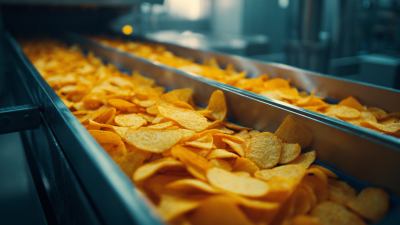
Frying production lines are essential for food manufacturers worldwide. These lines help in creating a variety of fried snacks, from potato chips to breaded vegetables. A good production line ensures consistency and quality. Many buyers value the ability to customize their equipment. This need for flexibility drives innovation in this industry.

Understanding the specific requirements for frying is crucial. Each food type might need different frying temperatures and times. This variability requires a production line that can adapt. Many solutions also incorporate advanced technologies, like automated frying systems. These systems improve efficiency and reduce waste.

Buyers often face challenges when selecting the right solution. Not all production lines are suitable for every food product. Potential buyers should assess their unique needs carefully. Evaluating energy consumption is important too. Cost-effective solutions may sometimes sacrifice quality. This trade-off requires serious reflection to avoid future regrets.

Frying Production Line Solutions Overview

Key Components of Automated Frying Systems

Automated frying systems are essential for modern food production. These systems improve efficiency and product consistency. Key components play a vital role in their effectiveness. Each part must be reliable and well-designed.

A primary element is the fryer itself. Its design affects the cooking process and oil management. Some fryers use advanced heating technology, which ensures even cooking. This can reduce energy consumption. Proper oil filtration systems are also crucial. They keep the oil clean, extending its lifespan and enhancing flavor.

Control systems manage temperature and cooking time. They help achieve repeatable results. These systems need appropriate sensors for accurate monitoring. Yet, relying too much on automation may overlook the human touch in food preparation. It's important to balance efficiency with quality. Overall, investing in the right components leads to better frying production solutions.

Factors Influencing Frying Production Line Selection

When selecting a frying production line, several factors come into play. Efficiency is paramount. Buyers seek lines that maximize output while minimizing energy consumption. This requires an understanding of the specific frying method, whether it's continuous or batch processing. Not all lines are created equal. Some might be optimized for safety, while others focus on speed. It’s essential to weigh these aspects against production goals.

Another critical element is the adaptability of the equipment. Different products require varying frying times and temperatures. A versatile production line allows manufacturers to switch between products with ease. However, adjustments often call for technical expertise. It's common for inexperienced operators to underestimate this complexity. Regular training and support can smooth this transition.

Finally, consider the maintenance needs. A reliable line should have straightforward maintenance protocols. Overly complex systems can lead to increased downtime. Clients should ask for clear guidelines before making a decision. Balancing these factors can lead to a more sustainable production process in the long run.

Comparative Analysis of Global Frying Equipment Manufacturers

Best Frying Production Line Solutions for Global Buyers?

In the globally competitive market for frying equipment, manufacturers offer a variety of solutions. It's essential to analyze their features, technology, and customer support. Many companies prioritize energy efficiency, which reduces operational costs. This focus reflects a growing trend toward sustainable practices in food processing.

When comparing equipment, consider the versatility and customization options available. Some manufacturers excel in producing compact units suitable for small-scale operations. Others provide large systems designed for high-output production. This diversity allows buyers to find solutions that fit specific needs. However, not all offerings are equally reliable. Some products may lack robust customer service, leading to potential maintenance issues.

Technological innovation is another critical factor. Advanced frying systems often incorporate automation. This reduces labor costs and increases production efficiency. Yet, the integration of new technology can sometimes lead to complications during operation. Buyers must weigh the benefits against possible challenges. Ultimately, careful research and evaluation are crucial for informed decisions in this dynamic landscape.

Customization Options for Frying Production Line Efficiency

Customization options for frying production line efficiency are critical for manufacturers aiming to optimize their operations. According to a report by Grand View Research, the frying equipment market is projected to grow significantly, with an expected CAGR of 5.2% from 2021 to 2028. This growth is driven by increasing consumer demand for fried food products globally.

Investing in custom frying production lines allows manufacturers to tailor settings to their specific products. Customization can include adjustable frying temperatures and varied frying times. These factors directly impact the texture and taste of the final product. Data from the Food Processing Industry Association suggests that inconsistencies in frying can lead to up to a 15% decrease in product quality, emphasizing the importance of optimal settings.

Tip: Regularly assess your frying parameters. Inconsistent results might indicate the need for equipment upgrades or adjustments.

Moreover, an efficient frying line can significantly reduce production costs. Sustainability is also becoming a focal point in food production. Custom solutions can integrate energy-saving features, such as heat recovery systems. Industry studies reveal that energy-efficient designs can lower operational costs by nearly 20% over time.

Tip: Consider the long-term savings of energy-efficient equipment against initial investment costs. It might require upfront capital, but benefits accumulate over time.

Failure to invest in customized solutions could hinder competitiveness. The frying process is intricate, and every detail matters. Refining your production line is not just about meeting demand; it’s also about maintaining high standards and product consistency.

Cost-Benefit Analysis of Frying Production Line Investments

Investing in frying production lines requires careful cost-benefit analysis. A recent report by the Food Processing Association highlighted that new equipment can improve efficiency by up to 30%. However, the initial investment can be significant, often exceeding $500,000. This poses a dilemma for many buyers. Balancing the need for quality production and financial constraints is critical.

Operational costs also play a crucial role. Energy consumption, maintenance, and labor costs should be factored into the long-term equation. Industry data suggests that energy-efficient fryers can reduce utility costs by 15% annually. Additionally, with labor shortages emerging worldwide, automating processes can lead to savings and operational consistency. But automation requires upfront capital, which can be a barrier for some businesses.

This analysis illustrates the complexity of decision-making in this industry. While the benefits might seem clear, the short-term challenges cannot be ignored. Cash flow impacts and longer payback periods can test a company’s resilience. Hence, conducting a thorough evaluation before committing to new fryer technologies is essential for lasting success.

Emerging Trends in Frying Technology for Global Markets

Best Frying Production Line Solutions for Global Buyers?

Emerging trends in frying technology are shaping global markets. As consumer preferences evolve, manufacturers must adapt to stay competitive. Recent reports indicate that the global frying equipment market is projected to grow at a CAGR of 5% from 2023 to 2028. This growth is driven by rising demand for convenience foods and healthier eating options.

Innovative frying technologies are making waves. For instance, air frying has gained popularity due to its health benefits. This method uses significantly less oil compared to traditional frying, appealing to health-conscious consumers. Market data suggests that air fryers have increased in sales by over 200% in the past three years. However, manufacturers sometimes overlook the importance of education around these technologies. Misperceptions can lead to unmet expectations in performance.

Sustainability is another focal point. Industry reports highlight a shift toward energy-efficient equipment. Frying lines that optimize energy use not only reduce costs but also minimize environmental impact. However, transitioning to these technologies can be daunting for some companies, especially smaller ones with limited resources. Finding balance is key, as focusing solely on sustainability could compromise performance quality in the short term.

FAQS

: What is the main benefit of automated frying systems?

: They improve efficiency and product consistency in food production.

How does fryer design impact cooking?

Fryer design affects oil management and cooking quality, influencing energy consumption.

Why are oil filtration systems important?

They keep oil clean, prolonging its lifespan and enhancing food flavor.

What role do control systems play in frying?

Control systems manage temperature and cooking time for repeatable results.

What is essential when choosing a frying production line?

Efficiency is crucial; buyers should balance output with energy consumption.

How does versatility in equipment affect production?

Versatile lines allow easy product switching but require technical expertise for adjustments.

What maintenance considerations should be kept in mind?

Simple maintenance protocols help avoid increased downtime and production delays.

What emerging trend is affecting frying technology?

Healthier frying methods, like air frying, are in demand for their reduced oil use.

How is sustainability influencing frying equipment choices?

There’s a shift towards energy-efficient equipment, balancing cost reduction and environmental impact.

What should manufacturers consider regarding technology education?

Education is vital to avoid misperceptions and unmet expectations in new frying technologies.

Conclusion

The article "Best Frying Production Line Solutions for Global Buyers" provides a comprehensive overview of the various solutions available in the market for frying production lines. It explores the key components of automated frying systems, highlighting their role in enhancing efficiency and consistency in food processing. The analysis includes factors that influence the selection of frying production lines, such as production capacity, safety standards, and operational costs.

Moreover, the article delves into a comparative analysis of global frying equipment manufacturers, offering insights into their capabilities and innovations. Customization options are discussed to ensure that buyers can optimize their frying production line for specific needs. A cost-benefit analysis is also presented, weighing the initial investments against potential gains in productivity and quality. Lastly, emerging trends in frying technology are examined, emphasizing the continuous evolution of solutions to meet global market demands. Overall, the article serves as a valuable resource for buyers seeking effective frying production line solutions.

Ethan

Ethan

Ethan is a dedicated marketing professional at Shandong Kexinde Machinery Technology Co., Ltd., where he plays a pivotal role in promoting the company's innovative food machinery and equipment. With a deep understanding of the industry, Ethan specializes in the design and manufacturing of solutions......
Previous China Top 10 Frozen French Fries Making Machine Suppliers?