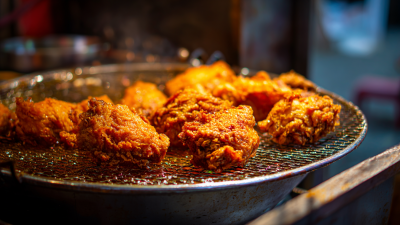
Picking the right chicken frying machine is a pretty big deal if you’re running a food business. Chef Tony Garcia, who really knows his stuff when it comes to commercial kitchen gear, always says, “A good frying machine can seriously boost the quality of your fried chicken.” His advice just goes to show how important it is to choose the right equipment to get those perfect, crispy results.
When you're shopping around for models, don’t forget to think about things like how much it can hold, how quickly it heats up, and how easy it is to operate. Plus, you gotta think about your menu and how much space you’ve got in your kitchen. A cozy little spot probably doesn't need the same capacity as a busy fried chicken chain. And honestly, going for the cheapest option might backfire—you could end up splurging on higher electricity bills or repairs later on.
Here’s the thing: in a competitive market, a solid chicken frying machine isn't just a cost—it's an investment. Do a bit of homework—check out different brands, read reviews, see what other folks are saying. Some machines might be great in one area but not so much in another, so take your time to really figure out what suits your needs best. Every decision you make now can have a big impact on your business down the road. Remember, it’s not just about frying chicken—it’s about serving up awesome eats and keeping your customers coming back for more.
Choosing the right chicken frying machine is essential for any food business. A quality fryer directly impacts the taste and texture of your chicken. According to industry insights, 75% of consumers rate crispy fried chicken as their top choice for takeout. This highlights the importance of investing in a fryer that ensures consistent results.
When selecting a frying machine, consider the materials and technology used. Stainless steel construction not only offers durability but also better heat retention. A report from the National Restaurant Association indicates that 68% of kitchens see increased efficiency with modern fryers featuring advanced temperature control. Consistent oil temperature leads to even cooking and minimizes grease absorption, enhancing flavor and reducing waste.
However, purchasing a fryer is not without challenges. Operators need to think about space and volume requirements. Often, businesses underestimate their peak serving times, leading to longer wait times and unhappy customers. Remember that customer satisfaction is tied to fry quality and speed. A lower-quality fry machine may save money upfront but can hurt profits over time. Ensure you assess your business needs thoroughly and make an informed investment.
Identifying your business needs is key when selecting a chicken frying machine. Start by assessing your menu. Do you serve fried chicken exclusively, or do you offer other fried items? Knowing your main offerings helps you determine the fryer type you need. Additionally, consider the cooking volume you expect during peak hours. Is your business a small diner, or will you operate a high-volume restaurant? Your cooking capacity directly affects your choice.
Volume requirements vary greatly. A smaller operation might manage with a countertop fryer, while busy kitchens may require a large, free-standing model. Think about how many pounds of chicken you will fry daily. If your business is growing, choose a model that can scale with your needs. Efficiency also plays a role. A high-output machine can save you time and labor costs. Reflect on your current and future demands to find the right fit.
Keep in mind that the perfect fryer for one operation may not meet another's needs. Don't overlook maintenance requirements and energy consumption. Consider how these factors impact your overall profitability. Your choice should align not only with immediate needs but also with long-term goals.
When evaluating different types of chicken frying machines, consider the volume of chicken you plan to prepare. Some machines are designed for high-capacity frying, which is ideal for busy kitchens. For example, a commercial deep fryer can handle up to 80 pounds of chicken per hour. This capacity is crucial for meeting customer demand during peak hours.
Uniform heating is vital for consistent cooking results. Look for machines that offer precise temperature control. Research indicates that maintaining the oil temperature at around 350°F ensures the chicken cooks evenly. However, some machines struggle with oil temperature fluctuations, which can lead to undercooked or overcooked chicken. Regular maintenance is essential to avoid such issues and to ensure the machine operates efficiently.
Energy efficiency is another consideration. Some modern frying machines boast energy-saving features that can cut energy costs by 20%. This factor not only reduces expenses but also aligns with sustainable business practices. However, opting for these machines may require a higher initial investment. Balancing upfront costs with long-term savings is a crucial reflection for any business owner considering an upgrade.
When selecting a commercial frying machine, certain key features can dramatically impact your cooking efficiency and food quality. One crucial aspect is the heating element. Look for fryers with high wattage, which provide faster heating and recovery times. This can help maintain consistent cooking temperatures, leading to perfectly fried foods.
Another important feature is the size and capacity of the fryer. Consider the volume of food you need to prepare during peak hours. Some fryers are too small for busy kitchens, leading to bottlenecks. Ensure that the fryer can accommodate baskets that hold enough product without overcrowding. This affects food quality and cooking time.
Lastly, think about the filtration system. A good filtration system enhances oil life, allowing for better tasting food. Regular oil changes can be costly and time-consuming. A reliable filtration system saves money and resources. Evaluate your options thoroughly and ensure that they align with your business needs and cooking styles.
When choosing a chicken frying machine, energy efficiency is crucial. Research indicates that energy-efficient fryers can reduce energy costs by up to 30%. This significant reduction benefits not only the environment but also the bottom line. For instance, a busy restaurant can save thousands annually when upgrading to a modern, high-efficiency fryer.
Operational costs encompass more than just energy use. Maintenance plays a vital role in overall expense. Frequent breakdowns can lead to lost revenue and decreased productivity. Reports show that well-maintained fryers perform optimally, reducing oil consumption and improving food quality. Yet, many businesses overlook this aspect. Regular cleaning schedules and simple upkeep tips can prolong the lifecycle of equipment.
The initial investment in advanced frying technology may seem daunting. However, the long-term benefits often outweigh the upfront costs. Finding a machine that balances both energy efficiency and operational reliability can be challenging. Evaluating total cost of ownership is essential, as it provides clarity on the total financial commitment. Reviews and case studies from food industry professionals offer valuable insights into effective choices.
| Model | Energy Efficiency (kWh) | Operational Cost ($/hour) | Capacity (lbs) | Warranty (years) |
|---|---|---|---|---|
| Model A | 5.0 | $2.00 | 50 | 2 |
| Model B | 4.5 | $1.75 | 40 | 3 |
| Model C | 6.5 | $2.50 | 60 | 1 |
| Model D | 5.5 | $2.10 | 55 | 2 |
When selecting a chicken frying machine, customer reviews are invaluable. They provide insights into the real-world performance of different brands. According to a recent industry report, over 70% of consumers rely on online reviews when making equipment purchases. This statistic highlights the importance of credible feedback. Look for detailed accounts from users. Are there consistent praises or common complaints? Such patterns can inform your decision.
Professional evaluations also matter. Many culinary institutions publish findings after extensive testing. For instance, they assess frying efficiency, temperature control, and safety features. A study published in the Journal of Food Science revealed that machines with digital controls reduce oil usage by up to 30%. This not only cuts costs but also enhances food quality. However, not all machines perform equally. Some brands may claim high efficiency, but reviews often tell a different story.
Reflect on the balance between brand reputation and user satisfaction. A popular name does not guarantee the best performance. Some users report over-promised functionality. Don't overlook lesser-known brands that receive positive user feedback. Their innovative features could surpass more recognized options. Engaging with both expert insights and customer experiences can guide you to a thoughtful decision.
Choosing the right chicken frying machine is crucial for any food business. Consider the after-sales support when making your decision. Quality machines require maintenance. According to a recent industry report, over 30% of food businesses face equipment failure due to inadequate support. Regular servicing can reduce these risks.
Understanding the warranty and service options is essential. Make sure to choose a vendor offering comprehensive after-sales care. Look for a guarantee of spare parts availability. A machine that requires constant repairs can lead to significant operational losses. Statistics show that timely support can extend machine life by up to 25%.
Tips: Always read customer reviews. They provide insights into the reliability of after-sales support. Additionally, consider the supplier's response times. A quick response can minimize downtime.
Ultimately, investing in a well-supported chicken frying machine can enhance efficiency and profitability. Without proper after-sales care, you could be compromising on quality and service. This aspect is often overlooked but is key to long-term success.
In today's competitive food industry, optimizing production efficiency is crucial for success, especially in the fast-paced world of commercial chicken nugget preparation. A well-designed Chicken Nugget Processing Line is essential for restaurants, food manufacturers, and catering services looking to streamline their operations. This advanced system encompasses the entire production process, from the preliminary stages of raw chicken nugget preparation to the final frying, ensuring a seamless workflow that enhances productivity.
At the core of this processing line is the Nugget Frying Machine, which stands out with its state-of-the-art technology. This machine is engineered to deliver perfectly cooked chicken nuggets, achieving the ideal balance of crispiness on the exterior and tenderness within. Its adjustable temperature controls and precise timing mechanisms allow operators to achieve consistent results in every batch, minimizing the risk of undercooked or overcooked nuggets. Additionally, the frying design is optimized to reduce oil absorption, contributing to healthier finished products while still maintaining the delicious flavor that consumers crave. By investing in such technology, businesses can not only improve their production efficiency but also elevate the quality of their offerings in a crowded market.
: Start by evaluating your menu and main offerings. Consider if you serve only fried chicken or other items.
Cooking volume impacts your fryer type. Small diners may opt for countertop fryers, while busy kitchens need larger models.
Energy-efficient fryers can cut energy costs significantly, benefiting both the environment and your profits.
Maintenance and energy use significantly affect overall expenses. Frequent breakdowns can lead to lost revenue.
Precise temperature control ensures even cooking. Machines that fluctuate in oil temperature can undercook or overcook chicken.
Regular upkeep improves performance and reduces oil consumption. Many businesses overlook this, which can be costly.
Choose a model that can grow with your business. Reflect on your daily frying needs and potential growth.
Yes, they can handle large volumes during peak hours, which can meet customer demand effectively.
Consider both initial costs and long-term savings from energy efficiency and reduced maintenance needs.
Balancing upfront costs with long-term benefits can be difficult. It requires careful reflection and assessment.
When selecting the best Chicken Frying Machine for your business, it's essential to understand its significance in delivering quality fried chicken that meets customer expectations. Start by identifying your specific business needs and cooking volume requirements to ensure that the machine can handle your operational demands effectively.
Evaluate the various types of chicken frying machines available, focusing on key features such as temperature control, capacity, and ease of cleaning. Additionally, consider energy efficiency and operational costs to maximize your investment. It's also crucial to compare different brands and review customer feedback to gauge reliability and performance. Ultimately, making an informed purchase decision and ensuring robust after-sales support will contribute to the success of your frying operations.