
As we’re heading into 2026, it’s clear that the demand for smarter, more efficient frying production lines is just growing. I mean, John Smith, a real expert in food tech, even points out that "A good frying line can really boost the quality of the food you're making." That just goes to show how important these systems are in the food industry today.
Picking the right frying line? It’s not something you do on a whim. You gotta think about stuff like how much it can handle, how energy-efficient it is, and whether it’s up-to-date with the latest tech. Lots of folks tend to forget, though, how crucial after-sales support is—even that can make or break overall efficiency. The industry’s always changing, so keeping yourself in the loop is key if you want to make smart choices.
And hey, manufacturers, don’t forget about this either—hustling to improve your processes is a must. Are you actually investing in technology that makes sense long-term? Do you know what the real costs are down the line? Pondering these questions now can save you a headache later and help you get better bang for your buck. As we look toward the top options for 2026, understanding these little things will help you make smarter, more confident decisions.

Overview of Frying Production Lines: Industry Trends and Innovations
In recent years, the frying production line industry has witnessed significant advancements. Emerging technologies focus on energy efficiency and automation. Many manufacturers are integrating smart systems to monitor frying processes in real-time. This offers operators better control and reduced waste. Additionally, the trend toward healthier frying methods is influencing equipment design.
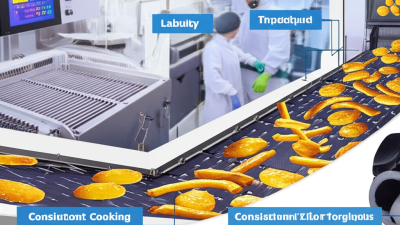
An increasing number of suppliers are prioritizing materials that minimize oil usage. Conveyorized frying systems are gaining popularity for their efficiency. Innovations in oil filtration systems are enhancing product quality and longevity. However, some challenges remain. Not all companies can afford these advanced systems.
Many producers may hesitate to adopt new technologies due to costs and training needs. It's essential to weigh the benefits against these hurdles. Understanding local market demands also plays a key role in investment decisions. Some companies may focus on traditional methods, which could limit their growth potential. Being aware of these dynamics is crucial for any buyer exploring frying production line options.


The Future of French Fry Production: Insights from Industry Reports on 500kg/h to 1000kg/h Fully Automatic Frying Lines
The demand for perfectly crispy French fries continues to soar globally, compelling manufacturers to innovate and upgrade their production capabilities. The latest industry reports highlight a significant trend toward fully automatic frying lines, with capacities ranging from 500kg/h to 1000kg/h. These production lines not only ensure consistent product quality but also maximize efficiency, making them an essential investment for large-scale fry producers.
With modern production technology, these fully automatic frozen potato French fry frying systems are designed to streamline every phase of the frying process. By customizing machinery to suit specific production requirements, operators can achieve optimized output rates tailored to their business needs. Reports suggest that automated systems can reduce labor costs significantly and improve the overall safety and hygiene of the processing environment, aligning with industry standards and consumer expectations.
Incorporating advanced controls and monitoring systems, these production lines enhance operational efficiency. Utilizing energy-efficient components can lead to lower operational costs while also contributing to sustainability efforts within the industry. As the market continues to evolve, investing in robust frying equipment that accommodates production scalability will be crucial for manufacturers looking to stay competitive and meet growing consumer demands for high-quality French fries.

FAQS
: Recent trends focus on energy efficiency and automation. Manufacturers integrate smart systems for better control.
They monitor processes in real-time. This reduces waste and improves quality.
Yes, many suppliers prioritize designs that minimize oil usage in frying.
Conveyorized systems enhance efficiency. They streamline operations and reduce manual workload.
Costs and training needs often deter adoption. Many hesitate to shift from traditional methods.
Researching industry standards is vital. Understanding local market demands aids in investment choices.
Equipment prices vary greatly. Buyers should assess their specific production needs carefully.
Regular upkeep is essential. Neglecting maintenance can lead to increased repair expenses over time.
Exploring financing can offer flexibility. It's important to weigh costs against expected returns.
Sustainability practices are emphasized. Transparency about sourcing materials is increasingly important.
Conclusion
As the demand for efficient and innovative frying production lines continues to grow, 2026 buyers must consider several key factors when selecting equipment. This includes understanding the latest industry trends, such as automation and energy efficiency, as well as the crucial features that can enhance production capabilities. A comparative analysis of batch versus continuous frying systems reveals distinct operational benefits, particularly in terms of scalability and consistency.
Moreover, modern frying production lines are increasingly focused on sustainability, employing technologies that reduce waste and energy consumption. Buyers should also carefully evaluate cost considerations, balancing initial investments with long-term operational savings. Looking ahead, advancements in frying technology promise to further revolutionize production processes, ensuring that manufacturers stay competitive in a rapidly evolving market. Overall, the right frying production line can significantly impact productivity and environmental footprint, making informed choices essential for success in the coming years.
Related Posts
-
Advantages of Conveyor Belt Frying Machines for Efficient Food Processing
-

Revolutionizing Food Production with Conveyor Belt Frying Machines Insights from the 2025 China Import and Export Fair
-

How to Choose the Right Frying Production Line for 2026?
-

How to Choose the Best Mozzalella Frying Machine for Home Use?
-

Best Automatic Continuous Frying Machine for Perfect Cooking?
-

Best Mozzalella Frying Machine for Perfectly Crispy Cheese?
