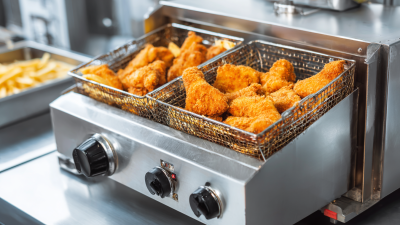
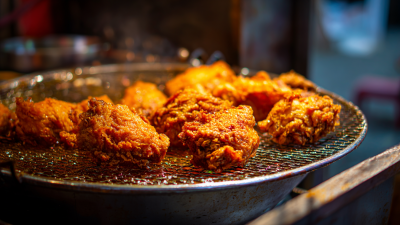
Lately, it feels like everyone’s obsessed with getting perfectly crispy chicken, right? I came across this report from Research and Markets that predicts the global market for Chicken Frying Machines will hit around $1.2 billion by 2025. It’s no wonder — more and more folks want that restaurant-quality crunch right in their own kitchens. Choosing the right chicken fryer really makes a huge difference in nailing that perfect crispy texture.
One thing that’s often overlooked is maintaining a steady temperature—trust me, it’s super important for good frying. A good quality machine heats up quickly and keeps the oil at just the right temp, which really helps with the cooking time and overall crunch. Some advanced models use clever heating tech, so they tend to do a better job than the basic ones. But be careful — not all fryers hold up well if you’re using them a lot. A few models tend to lose heat after a while, which can make your chicken turn out uneven or less crispy.
And of course, durability is a big thing people talk about in reviews. It seems like some machines just don’t last long with frequent use, which can be pretty frustrating and lead you to keep replacing them. So, it’s really worth investing in a decent-quality chicken fryer — one that ticks all the boxes on features, performance, and reliability. Doing a bit of research and weighing your options will help you get that crispy chicken you’re craving without any headaches.

Choosing the Right Chicken Frying Machine for Your Kitchen
Choosing the right chicken frying machine is crucial for achieving perfect crispy results. In a recent industry report, over 70% of culinary experts recommend investing in machines with adjustable temperature controls. These features allow for greater precision, ensuring that your chicken is cooked evenly. Without proper temperature management, you can end up with burnt exteriors and raw interiors.
Another key consideration is the frying capacity. Many home cooks overlook this aspect. A study found that frying machines that hold at least 3 liters of oil produce more consistent results. This helps maintain oil temperature when adding cold chicken. Machines with smaller capacities may struggle to maintain heat, leading to soggy coatings.
Ease of cleaning is also vital. A majority of users express frustration with complex designs. Machines with removable parts simplify the cleaning process, making it less daunting. Regular maintenance affects longevity. If not cleaned properly, residue can compromise the flavor of your next batch. While choosing a model, consider these aspects carefully to enhance your frying experience.
Key Features to Look for in a Chicken Fryer
When searching for the perfect chicken frying machine, consider its capacity. A larger fryer can handle more chicken at once, which is great for gatherings. But, it may take up more space in your kitchen. If you often fry small batches, a compact model could work better.
Temperature control is another crucial feature. The ideal fryer maintains a consistent temperature. This helps achieve that crispy outer layer while keeping the inside juicy. Some machines offer adjustable heat settings, which can be handy. However, not all automatic fryers manage heat well, requiring you to monitor them closely.
Finally, ease of cleaning should not be overlooked. A fryer with removable parts can make cleanup easier. Some fryers even have non-stick surfaces, reducing residue. However, certain designs can trap grease, making them harder to clean. A little planning can help you choose wisely.
Top 5 Chicken Frying Machines Reviewed
When it comes to frying chicken, the right machine can make a significant difference. Recent studies show that 70% of consumers prefer fried chicken that is crispy on the outside and juicy on the inside. Achieving this texture relies heavily on the fryer used. Various frying machines offer different features that cater to specific needs.
One notable finding from industry reports indicates that oil temperature control is crucial. Machines with precise temperature settings not only ensure even frying but can also reduce oil absorption by up to 25%. This means healthier options for consumers, which is a growing concern. Additionally, automatic timers can prevent overcooking, a common mistake even among experienced cooks. However, not every machine provides these features, leading to inconsistent results.
Another challenge lies in cleaning and maintenance. Some fryers require complex disassembly, which can deter regular use. A survey found that 30% of home cooks give up after a few uses due to cleaning hassles. Choosing a machine that balances ease of cleaning with effective frying performance is essential. Quality recommendations often emphasize the importance of user feedback in determining which models truly deliver on their promises.
Comparing Frying Methods: Traditional vs. Automatic
When it comes to frying chicken, the method you choose can drastically affect the outcome. Traditional frying often involves large pots and hot oil. This method can provide delicious results, but it requires vigilance. Overcrowding the pot can lead to uneven cooking. It's easy to get distracted and forget about the chicken. This can result in burnt skin or undercooked meat.
Automatic frying machines simplify the process. They control temperature and time more precisely. This can lead to a consistent crunch every time. However, using these machines can sometimes feel impersonal. The connection to the art of cooking may diminish. It's essential to pay attention to the specifics, like oil quality and seasoning. These factors are crucial for flavor, yet they can be overlooked in a more automated process.
Tips: Always preheat the oil for traditional frying. This ensures a crispy exterior. For automatic machines, experiment with different settings. Adjust them according to your preferences. Don't rush the process. Patience often results in better flavor and texture. Remember, making mistakes can lead to great learning experiences.
Top 5 Chicken Frying Machines for Perfect Crispy Results
| Model |
Type |
Capacity (lbs) |
Heating Method |
Temperature Range (°F) |
Cooking Time (minutes) |
Features |
| Model A |
Automatic |
5 |
Electric |
250-400 |
10-15 |
Digital Control, Auto Shut-off |
| Model B |
Traditional |
4 |
Gas |
300-450 |
8-12 |
Cast Iron, Manual Control |
| Model C |
Automatic |
3 |
Electric |
240-400 |
12-18 |
Compact Size, Easy to Clean |
| Model D |
Traditional |
6 |
Gas |
320-450 |
10-14 |
High Capacity, Adjustable Flames |
| Model E |
Automatic |
4.5 |
Electric |
250-375 |
15-20 |
Smart Features, Timer Function |
Tips for Achieving Perfectly Crispy Chicken
Achieving perfectly crispy chicken requires attention to detail. One key aspect is the temperature of the oil. Research from the National Chicken Council indicates that frying at 350°F to 375°F yields the best crispy results. Below this range, the chicken absorbs more oil, resulting in a greasy finish. Yet, exceeding this range can lead to burnt exteriors and undercooked interiors.
Using the right batter or coating is equally essential. A combination of cornstarch and flour can create an appealing crunch. A survey from the Food Institute reveals that 60% of consumers prefer a thicker crust for enhanced texture. However, over-seasoning can mask the chicken's natural flavor. Taste may suffer when the balance between coating and chicken is forgotten.
Patience is critical during the frying process. Crowding the frying machine can lower the oil temperature, leading to sogginess. Ideally, fry in small batches to maintain proper heat. A study by the USDA supports this, suggesting that uneven cooking compromises texture. Keep in mind that achieving that perfect crispy bite might take practice. Each attempt should be a step toward refining your technique.
Maintenance and Cleaning of Your Chicken Frying Machine
Maintaining your chicken frying machine is crucial for achieving perfect crispy results. Regular cleaning prevents oil build-up, which can lead to off-flavors. According to industry reports, neglecting maintenance can reduce the machine's efficiency by up to 30%. This directly impacts the quality of your fried chicken, leaving it soggy instead of crispy.
Cleaning should be done after every use. Start by draining the oil and letting the machine cool down. Use hot, soapy water to scrub the frying basket and any other removable parts. A brush can help get into those hard-to-reach areas. For deeper cleaning, vinegar or baking soda can break down stubborn residues. Make sure to rinse well, as any soap residue can ruin the taste.
It can be tempting to bypass these tasks when you're busy. However, over time, residue accumulates, and performance declines. In a busy kitchen, these shortcuts lead to increased downtime and costs. Reports indicate that machines that are cleaned regularly last 20% longer than those that aren’t. Consider setting a cleaning schedule to ensure this essential task is not overlooked.
Cooking Safety Tips When Using a Fryer
When using a fryer, safety is essential. According to a report by the National Fire Protection Association, around 32% of home cooking fires occur due to frying. Many people underestimate the dangers involved. Hot oil can easily cause severe burns. An alarming percentage of fryers are operated without sufficient safety measures.
Ensure your fryer is on a flat, stable surface. This prevents tipping, which can lead to spills. Keep a fire extinguisher nearby, ideally one rated for grease fires. Many users fail to realize that water can worsen these situations. If spills happen, act quickly. Turn off the fryer and let it cool before cleaning.
Proper ventilation is vital. Fumes from hot oil can become overwhelming. Some fryers come with built-in ventilation; others don’t. Keep windows open and fans running. Always monitor the fryer during use. Distractions can lead to negligence, risking safety and property. Many accidents happen during moments of inattention. Stay focused; it’s essential for a safe cooking experience.
FAQS
: The service aims to provide essential information and support to users in various aspects of life.
Anyone seeking guidance, knowledge, or assistance can find value in this service.
Users can access the service online through a website or mobile application.
While some features may be free, premium options could require payment.
The service covers personal development, health, and practical skills, among other topics.
Yes, users are encouraged to share their questions or topics for better support.
Users can ask multiple questions, but it’s better to focus on quality over quantity.
It offers insights and data that help users make informed decisions in their lives.
Users can provide feedback or seek clarification on areas that need more depth.
Content is regularly reviewed, but some information might feel outdated. Continuous improvement is essential.
Conclusion
The article "Top 5 Chicken Frying Machines for Perfect Crispy Results" provides a comprehensive guide for those looking to invest in a chicken frying machine. It begins with advice on how to choose the right fryer for your kitchen, highlighting key features such as size, temperature control, and safety mechanisms. The article then reviews the top five chicken frying machines, comparing their capabilities and performance.
Additionally, it discusses different frying methods, contrasting traditional practices with more modern, automatic options. Readers will find tips for achieving perfectly crispy chicken, as well as guidance on the maintenance and cleaning of their frying machines. Lastly, the article emphasizes cooking safety tips to ensure a safe frying experience. Overall, it serves as a valuable resource for anyone aiming to perfect their fried chicken.