Welcome to our websites!
0%

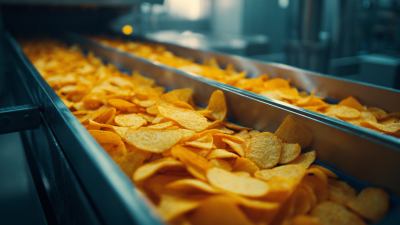
The Potato Chips Production Line is really quite fascinating—it's like a well-oiled machine working behind the scenes to turn plain raw potatoes into those crispy snacks we all love. Every part of the process is carefully thought out to keep quality high and production smooth. From washing to frying, each step plays a big role. The raw potatoes are first cleaned to get rid of all the dirt and impurities, and then they’re sliced just right so they cook evenly. That precision’s pretty important; even small differences can change how the chips turn out – their texture and taste.

Of course, there are some challenges along the way. Keeping everything consistent isn’t always easy—equipment can wear down, and the quality of potatoes can vary from batch to batch. That’s why it’s so important to keep a close eye on the whole process to make sure every batch hits the mark. The whole setup really is a mix of high-tech gear and a bit of culinary artistry. It takes ongoing effort and tweaks to keep getting it just right—perfection’s a moving target, after all.

How Does a Potato Chips Production Line Work?

Overview of the Potato Chips Production Process

The potato chips production process is fascinating yet complex. It typically starts with raw potatoes. These potatoes undergo washing and peeling. Removing impurities is crucial for quality. The global potato chips market is expected to grow significantly, reaching $43 billion by 2027.

After peeling, potatoes are sliced into uniform shapes. This uniformity ensures consistent frying. The slices are then soaked in water to remove excess starch. This step promotes optimal crispiness. According to industry reports, frying is often done at temperatures of 170 to 190 degrees Celsius. However, achieving the right texture can be a challenge.

Once fried, the chips are seasoned and packaged. The seasoning process allows for variations in flavor. Though manufacturers strive for perfection, achieving consistent taste can be difficult. Often, factors like potato variety can affect flavor profiles. Quality control checks are vital at each stage, yet some discrepancies may still occur.

Raw Material Selection: Types of Potatoes Used in Production

When choosing the right potatoes for chip production, quality matters. The best varieties, like Russet and Yukon Gold, are popular. These types provide great texture and flavor. Russets have high starch content, ensuring a crispy finish. Yukon Gold, on the other hand, lends a buttery taste. The choice impacts the final product.

Tips: For optimal results, avoid using old or sprouted potatoes. Inspect for any blemishes or green patches. These defects can spoil the flavor and texture.

Inadequate selection can lead to batch inconsistencies. It might also affect frying times and oil absorption. Uniformity in size matters too. This allows for even cooking and perfect crunchiness.

Tips: Consider running tests with different batches. Keep track of the results. This will help fine-tune the selection process. Testing helps in understanding the nuances of potato varieties better.

Preparation: Washing, Peeling, and Cutting Techniques

The preparation stage of a potato chips production line is crucial. It begins with washing the potatoes to remove dirt and impurities. This step might seem simple, but it is vital for quality. A thorough rinse ensures that no unwanted debris affects the final product. Sometimes, small machines may miss some dirt. Operators must monitor this closely.

After washing, the potatoes undergo peeling. There are various techniques for this. Some factories use mechanical peelers, while others opt for steam peeling. Each method has its advantages. Mechanical peeling is efficient but can sometimes leave small bits of skin. Steam peeling is gentler but may require more time. Operators often debate which technique is better.

Once peeled, the potatoes are cut into slices. This cutting stage is essential for ensuring uniformity. Machines typically handle this job, although manual inspection is still necessary. Occasionally, slices may vary in thickness. This can lead to uneven cooking during frying. Producers must regularly adjust their settings. Otherwise, they risk producing chips that don't meet quality standards.

Frying Methods: Traditional vs. Continuous Frying Systems

When it comes to potato chips, the frying method significantly impacts flavor and texture. There are two main methods: traditional frying and continuous frying systems. Traditional frying often involves small batches. This method allows for more control over the cooking process. The oil temperature can be adjusted as needed. However, it can lead to inconsistencies. One batch might turn out perfectly crisp, while the next may be too greasy.

Continuous frying systems operate differently. Here, the potatoes move through a large fryer. The frying process is steady and controlled. Temperature and timing are consistent, producing uniform chips. This method is efficient and suitable for large-scale production. Yet, it may sacrifice some flavor depth compared to traditional methods. The continuous system can sometimes overcook the chips if not monitored closely.

Despite the advantages of each method, neither is perfect. Traditional frying can be labor-intensive. It requires constant attention to achieve desired results. Continuous systems, on the other hand, risk a loss of that homemade taste.

For manufacturers, finding the right balance between efficiency and quality is crucial.

Each method has its merits and flaws, and the choice often depends on production goals.

Seasoning and Flavoring: Application Techniques and Machinery

In a potato chips production line, seasoning and flavoring play vital roles. Different methods exist for applying these flavorings, each bringing a unique taste to the chips. For example, a spray system evenly distributes liquid seasonings. This method allows for precise control over the amount used, ensuring every chip is flavorful.

Dry seasoning is another popular technique. This involves mixing powdered seasonings with oils before application. The resulting slurry coats the chips uniformly. However, achieving the right balance can be challenging. Too much seasoning can overshadow the potato's natural flavor. The process requires experimentation to find that perfect mix.

Tips: Always test small batches first. This helps avoid large-scale waste. Adjust seasoning levels gradually. Make notes on what works well and what doesn’t. Consider customer feedback as you refine recipes. Experiment with new flavors while keeping core favorites intact for loyal fans.

Quality Control: Standards and Testing in Potato Chips Production

In potato chips production, quality control is crucial. Various standards ensure that every batch meets specific criteria. Visual inspection is common. Inspectors look for chips that are uniformly shaped and colored. They reject any chips that appear burnt or undercooked.

Next comes the testing phase. Chips undergo taste tests to ensure flavor consistency. This might sound simple, but it's not. Not all machines produce the same results. Fluctuations in temperature or potato quality can impact flavor. They also perform texture analysis. A texture that is too soft or too hard signals a problem.

Random samples are taken from production lines. Sometimes, tests reveal issues that require adjustment. Keeping track of these findings is necessary. It helps refine the production process. Quality control might seem straightforward, yet the challenges are numerous. Even with strict measures, there are days when the output isn’t right. Critical reflection is vital to continue improving the process.

Packaging Solutions: Machinery and Techniques for Shelf Stability

How Does a Potato Chips Production Line Work?

Packaging solutions in potato chips production are critical for maintaining shelf stability. Proper packaging protects chips from moisture, air, and light. These elements can all degrade quality. A well-designed package extends the product's lifespan. It also enhances consumer appeal.

Machinery plays a vital role in this process. Automated filling and sealing machines are commonly used. They ensure airtight seals, preventing potential spoilage. This machinery needs regular calibration to perform optimally. However, sometimes, minor adjustments can lead to packaging defects. Such issues might result in compromised products on store shelves.

Techniques like nitrogen flushing are essential. They displace oxygen in the package, slowing down oxidation. This process can be tricky, as excess nitrogen might cause packages to puff up. This not only affects aesthetics but also raises questions about quality control. Small misalignments in sealing can also lead to leaks, diminishing shelf life. It's a delicate balance between efficiency and effectiveness in packaging.

FAQS

: What are the main benefits of using eco-friendly products?

: Eco-friendly products reduce pollution. They also promote sustainability. Many are made from renewable resources. This helps conserve energy.

How can I tell if a product is truly eco-friendly?

Look for certifications or labels. Research the company’s practices. Ingredients should be transparent and sourced responsibly.

Are eco-friendly products more expensive?

Prices vary widely. Some eco-friendly options may cost more upfront. However, they can save money in the long run.

Can I find eco-friendly options for everyday items?

Yes, everyday items like cleaning supplies, personal care goods, and packaging can be eco-friendly. Research local retailers for options.

What is the impact of plastic pollution?

Plastic pollution harms wildlife and ecosystems. It can take hundreds of years to decompose. Solutions require collective efforts and lifestyle changes.

How can I reduce plastic waste?

Use reusable bags and bottles. Opt for bulk items to minimize packaging. Small changes can significantly reduce your waste footprint.

Are there any downsides to eco-friendly products?

Some may not perform as well as conventional products. Effectiveness can vary. Testing and feedback are essential for improvement.

How do eco-friendly practices benefit communities?

They create jobs in sustainable industries. Healthier environments improve quality of life. Education around sustainability fosters a connected community.

What role does consumer behavior play in sustainability?

Consumer choices drive demand for eco-friendly products. Awareness leads to more responsible purchasing. Change starts with individual actions.

How can I support sustainability in my community?

Participate in local clean-up events. Support local businesses that prioritize eco-friendly practices. Spread awareness about sustainability issues.

Conclusion

The Potato Chips Production Line involves a systematic process that begins with the careful selection of raw materials, particularly the types of potatoes best suited for chip production. Following this, potatoes are thoroughly washed, peeled, and sliced using various cutting techniques to ensure uniformity. The frying methods employed can vary, with traditional and continuous frying systems offering different advantages in terms of efficiency and texture.

Seasoning and flavoring are critical final steps, where techniques and machinery are utilized to enhance the taste of the chips. To maintain high-quality standards, rigorous quality control measures are implemented throughout the production process, ensuring that the chips meet safety and taste criteria. Finally, packaging solutions are pivotal for ensuring shelf stability, with specialized machinery designed to protect the integrity of the product. Overall, each phase in the Potato Chips Production Line plays a vital role in delivering a consistent and flavorful snack.

Isabella

Isabella

Isabella is a dedicated marketing professional at Shandong Kexinde Machinery Technology Co., Ltd., specializing in food machinery and equipment. With a profound understanding of the industry, she plays a crucial role in promoting the company's innovative solutions across various sectors, including......
Previous 7 Essential Tips for Choosing the Best Automatic Potato Chips Machine for Your Business Growth