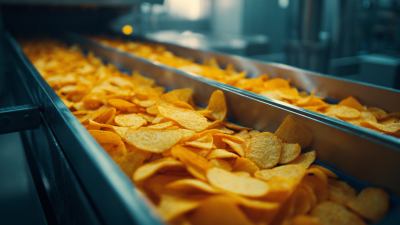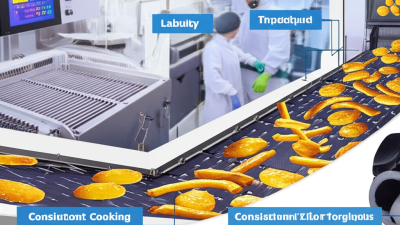
When it comes to food production, the 'Frying Production Line' is pretty much a game changer. It’s the system that turns raw ingredients into those tasty, crispy fried treats we all love—pretty efficiently, too. I mean, John Thompson from FryTech Innovations summed it up perfectly when he said, 'A well-designed frying line can really boost both flavor and efficiency.' It’s all about that balance, right?
So, what’s actually happening inside one of these lines? Well, it’s a series of machines working together to automate the entire frying process. You’ve got a conveyor belt moving food through fryers, then coolers to bring everything back down to the right temp. Each step helps make sure your food’s cooked evenly, giving you that perfect crunch each time. That said, it’s not all smooth sailing—lots of companies face issues like inconsistency and quality control. Overheating the oil or letting it degrade can seriously mess things up.
Getting a handle on how a Frying Production Line works is key to running a successful operation. Sure, it ramps up productivity, but folks running these lines have to pay close attention to every little detail. Mistakes happen—nothing’s perfect—so sometimes you gotta tweak things here and there. But if you’re all about delivering top-notch quality, it’ll pay off with better products and happier customers in the long run.
A frying production line is a specialized setup designed for the mass production of fried foods. These lines typically include multiple stages: frying, cooling, and packaging. Each stage is essential for maintaining quality and efficiency. According to industry reports, the global frying equipment market is expected to reach $5.6 billion by 2025. This growth reflects the increasing demand for convenience foods.
The operation of a frying production line involves precise control of temperatures and frying times. Sensors monitor the oil temperature, ensuring the food is cooked perfectly. However, many facilities still struggle with oil degradation over time. This can affect the taste and nutritional value of the products. A study by the Food Processing Association noted that up to 25% of food manufacturers face challenges in maintaining oil quality.
Additionally, these production lines require regular maintenance to prevent breakdowns. Even a minor malfunction can halt production, leading to significant losses. Workers on the line need training to identify issues quickly. Critical processes often rely on human oversight, which can introduce variability. Research shows that around 15% of fryers experience temperature fluctuations, impacting food consistency.
| Component | Function | Specifications | Efficiency |
|---|---|---|---|
| Fryer | Cooks food by immersing it in hot oil | Temperature Control: 180-200°C | Up to 500 kg/hour |
| De-oiler | Removes excess oil from fried products | Air Pressure System | 90% oil removal efficiency |
| Cooling System | Cools down fried products | Air or Water Cooling | 5-10 minutes |
| Packaging Machine | Packages finished products for sale | Automatic Sealing | 300 packages/hour |
A frying production line is essential in food processing. It’s designed for efficiency and consistency in producing fried snacks. The key components of this line play distinct roles to ensure high-quality products.
The conveyor system is vital. It moves raw ingredients through the various stages of frying. Accurate temperature control is crucial during frying. Heat exchangers maintain temperature, which impacts flavor and texture. The frying machine itself typically employs either oil or air frying methods, which both require careful monitoring.
Cooling and draining units follow the frying stage. They allow excess oil to drip off. This step is crucial for the final product's healthiness and crispness. Packaging machines come next. They seal the snack for freshness, but issues can arise if the packages are not reinforced properly. Each component must work in harmony, but achieving perfection can be challenging. Careful calibration and regular maintenance are necessary to keep the line functioning efficiently.
Frying in production lines is a vital process in food manufacturing. This method includes several stages that ensure efficiency and quality. The process starts with ingredient preparation, where raw materials are cleaned and cut to size. Proper cutting influences cooking time and texture.
Next, the preheated oil is pumped into a large frying chamber. This chamber ensures uniform heating. Once the ingredients are added, they are submerged in the oil. This immersion helps achieve even cooking, creating a desirable crispiness. Monitoring the oil temperature is crucial. Too hot may lead to burning, while too cold results in soggy food.
After frying, the food goes through a cooling stage. This step is essential for maintaining product quality. Excess oil is removed using a centrifuge or drainage system. Skipping this step can make the final product greasy. Each part of this process needs attention. Small variations can affect flavor and safety. Continuous testing and adjustment help improve overall outcomes.
Frying methods play a crucial role in food production lines. Various techniques can be applied to achieve different textures and flavors. One popular method is deep frying. This method involves submerging food in hot oil, creating a crispy exterior while maintaining moisture inside. It is efficient and widely used for items like French fries and chicken.
On the other hand, pan frying offers distinct advantages. This technique uses less oil, making it a healthier option. Food is cooked over medium heat, allowing for better control over the cooking process. However, it requires attention to prevent burning. With both methods, consistency in temperature is vital for optimal results.
Then there’s stir frying. This method quickly cooks small pieces of food in a hot pan, usually with a little oil. It retains nutrients and flavors but demands practice to master. Each method has its pros and cons, and choosing the right one can impact the final product. Factors like equipment, cost, and desired taste influence decisions on frying technique. Producing quality fried food requires understanding these methods deeply.
Quality control in frying production lines is crucial for ensuring product consistency and safety. Monitoring the oil temperature is essential. It affects texture and flavor. Too hot? Food can burn. Too cold? It becomes soggy. Regular checks can prevent this.
Tips for maintaining optimal oil temperature include using reliable thermometers. Invest in high-quality equipment for accurate readings. Training staff to recognize temperature variations fosters awareness. It's beneficial to perform routine oil quality tests. This can help identify when to filter or replace oil.
Another important factor is ingredient inspection. Freshness and quality directly impact the final product. Establish specific criteria for sourcing raw materials. Conduct visual checks and sensory evaluations before production starts. This proactive approach can reduce waste and improve outcomes. Addressing these elements diminishes potential issues.
Automation in frying production lines has revolutionized the way we produce fried foods. These lines combine sophisticated machinery and technology to enhance efficiency. They ensure a consistent product while reducing labor costs. At the heart of the process are automated fryers that maintain precise temperature settings. This control is vital for achieving the perfect texture and flavor.
One important aspect to consider is maintenance. Regular checks on equipment are essential to prevent breakdowns. Operators should establish a routine for cleaning and monitoring. This practice improves safety and efficiency. Avoid neglecting small issues; they can escalate into costly repairs.
Another tip is to monitor oil quality. Automated systems may overlook oil degradation over time. Regular oil testing guarantees the best results in flavor and health standards. Operators must stay vigilant. Automation provides speed, but it does not replace the need for human oversight. Reflect on how automation can streamline processes without sacrificing quality.
Frying production lines play a critical role in the food processing industry. They are used extensively to create a wide variety of popular fried snacks. The efficiency of these lines is driven by technological advancements and a focus on quality control. The global market for fried foods was valued at approximately $232 billion in 2022 and is projected to grow.
Common applications of frying production lines include potato chips, doughnuts, and fried chicken. According to industry reports, the demand for healthy fried snacks, such as baked or air-fried options, is on the rise. As consumers become more health-conscious, producers are adapting by incorporating less oil and using high-quality ingredients. This transformation highlights the need for flexibility in production processes.
Tips: Investing in energy-efficient machinery can lead to long-term savings. Continuous monitoring of oil temperature ensures consistent product quality. Regular cleaning schedules enhance equipment lifespan and maintain hygiene standards. As fried foods evolve, producers must keep pace with trends while addressing sustainability. Balancing innovation and tradition can be challenging but essential for growth in this sector.
: The first step is ingredient preparation, where raw materials are cleaned and cut to size.
Proper cutting influences cooking time and texture, affecting the final product's quality.
Preheated oil is pumped into a large frying chamber for uniform heating.
Ingredients are submerged in oil, achieving even cooking and a desirable crispiness.
If too hot, food burns; if too cold, it becomes soggy, both affecting flavor.
The cooling stage maintains product quality by removing excess oil to prevent greasiness.
Using reliable thermometers and investing in quality equipment can provide accurate readings.
Freshness and quality must be inspected to ensure they meet specific sourcing criteria.
They help identify when to filter or replace oil, reducing waste and improving results.
Small variations can affect flavor, texture, and safety, thus requiring continuous monitoring and adjustments.
A Frying Production Line is a specialized system designed for the continuous frying of food products in industrial settings. It encompasses several key components, including fryers, conveyors, and cooling systems, which work together to ensure efficient processing. The frying process typically involves the heating of oil to specific temperatures, allowing for even cooking and flavor enhancement. Various frying methods, such as batch and continuous frying, can be employed depending on production needs.
Quality control is essential in a Frying Production Line to maintain product safety and consistency, often involving monitoring temperature and oil quality. Automation plays a significant role in enhancing efficiency and reducing labor costs, with modern lines integrating technology for precise control. Common applications include the production of snacks, frozen foods, and ready-to-eat meals, showcasing the versatility of frying production in meeting diverse consumer demands.