Welcome to our websites!
0%

When you're trying to pick out the perfect Chicken Frying Machine, getting some expert advice can really help you sort through the options. Jeff Anderson, who's pretty well-known in the equipment world at FryTech Solutions, shares some good insight: "A good frying machine can really boost both the flavor of your chicken and how efficient your kitchen runs." With his background in the culinary scene, he’s got some solid thoughts on why choosing the right equipment is a smart move for anyone serious about their fried chicken.

Figuring out what you need in a frying machine isn’t always straightforward. Not all machines are built the same, and things like capacity, how efficient they are, and how easy they are to clean matter a lot. Think about how much chicken you usually fry up. At first, the options might seem a little overwhelming. It’s a good idea to weigh whether a smaller, more compact machine makes sense or if you’re better off going for a bigger one that can handle high-volume frying.

A lot of people forget to consider energy use and how easy it is to clean their fryer, but honestly, those little details can make a huge difference in the long run. The right Chicken Frying Machine can make your workflow smoother and save you some headaches. At the end of the day, though, there’s probably no one-size-fits-all perfect option — every machine has its ups and downs. The key is really understanding what you need most so you can make a smart, informed choice.

How to Choose the Best Chicken Frying Machine for Your Needs?

Understanding Your Cooking Needs: Types of Chicken Frying Machines

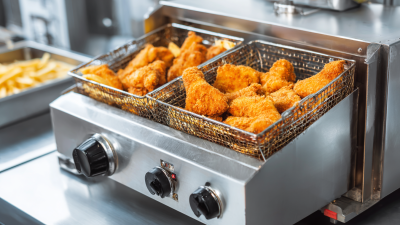
Choosing the right chicken frying machine depends on your cooking habits. Various types are available, each designed for specific needs. For instance, countertop fryers are great for small spaces, while commercial models suit larger operations. Think about what you cook most. Do you need quick frying or high volume?

Tips: If you fry chicken frequently, consider models with adjustable temperatures. This allows for precision cooking. A digital timer can also help avoid overcooking.

Another consideration is ease of cleaning. Some machines have removable parts that make maintenance easier. A well-maintained fryer can lead to better-tasting chicken. However, always check user reviews to gauge reliability.

Frying is an art and a science. Experiment with different frying machines. Each type offers unique benefits. There might be a learning curve. Try to find what fits your kitchen rhythm and personal preference. Your ideal fryer can help elevate your chicken dishes.

Key Features to Consider in Chicken Frying Machines

When selecting a chicken frying machine, several key features deserve attention. A study from the National Chicken Council shows that frying methods significantly impact flavor and texture. Look for machines with adjustable temperature controls. This ensures optimal frying conditions for different chicken cuts.

Another important feature is the capacity. If you serve a high volume, choose a machine that can handle larger batches. According to the Foodservice Equipment Reports, busy restaurants benefit from machines with a capacity of at least 50 pounds. This helps in maintaining speed during peak hours, reducing wait times.

Consider ease of cleaning. Many frying machines now feature removable parts. These make cleaning more efficient. Regular maintenance is essential for safety and longevity.

Tips: Always check for warranty information. A reliable machine should offer at least a one-year warranty. Also, read reviews from other users. Real-life experiences can guide your decision-making process. Make sure your chosen model meets local health safety standards. Adjustments can be necessary as regulations evolve.

Assessing the Size and Capacity of Frying Equipment

When selecting a chicken frying machine, size and capacity are crucial. Many restaurants underestimate the importance of these factors. Industry data indicates that about 70% of fryers are too small for high-demand settings. This often leads to longer cooking times and reduced productivity. Understanding the volume of chicken you will fry daily can guide your decision.

Capacity is not merely about the volume of raw food. It also relates to batch sizes. For instance, some models can handle 60 pounds, while others manage only 30 pounds per batch. In busy kitchens, a fryer that can keep pace with demand is essential. Many experts recommend evaluating your peak hours. This can reveal your true capacity needs.

Moreover, consider the physical space available. A large fryer may seem appealing, but it must fit your kitchen layout. You don’t want to sacrifice workspace for equipment. Balance is key. It’s also wise to seek feedback from operators who have used these machines. Real-world experiences often reveal insights that data cannot provide.


How to Choose the Best Chicken Frying Machine for Your Needs? - Assessing the Size and Capacity of Frying Equipment

Model Size (L x W x H) Capacity (L) Maximum Frying Load (kg) Power (W) Weight (kg)
Model A 45 x 30 x 30 cm 10 5 1500 12
Model B 50 x 35 x 35 cm 15 7 1800 15
Model C 60 x 40 x 40 cm 20 10 2200 18
Model D 70 x 50 x 50 cm 25 12 2500 25

Energy Efficiency and Operating Costs of Frying Machines

When selecting a chicken frying machine, energy efficiency and operating costs should be top priorities. Efficient frying machines use less energy, which saves money in the long run. Look for models that feature thermostats and timers. These features help control temperature, ensuring optimal frying while minimizing energy waste.

Tips: Always check the wattage and energy use ratings before buying. Additionally, consider machines with better insulation. Insulated fryers keep heat contained, lowering your electric bill.

Operating costs extend beyond just energy usage. Regular maintenance can prevent costly repairs. A clean machine operates efficiently, uses less oil, and delivers delicious results. Routine checks on filters and oil quality are essential. Sometimes, people forget these simple tasks. It’s crucial to stay proactive to avoid unnecessary expenses.

Tips: Create a maintenance schedule and stick to it. Document any repairs or replacements to track expenses more effectively. Invest time in learning about your frying machine. Understanding its needs can lead to substantial savings.

Comparing Frying Techniques: Traditional vs. Modern Machines

When choosing between traditional and modern frying techniques, it’s essential to understand their differences. Traditional frying usually involves cast iron pans or deep fryers. This method can produce crispy results with rich flavors. However, it requires constant monitoring and skill. Many home cooks struggle with oil temperature and frying time, which can lead to inconsistent results.


On the other hand, modern frying machines offer precision and convenience. They often come with temperature settings and timers, reducing the stress of frying. Features like built-in filtration systems extend the oil's life and improve taste. Yet, some may feel that modern fryers lack the depth of flavor found in traditional methods. The technology also adds complexity. Users must learn how to operate these machines effectively to avoid mishaps.


Overall, both methods have their pros and cons. Traditional methods nurture a deeper connection to cooking but require skill. Modern machines simplify the process but may sacrifice some flavor. Your choice ultimately depends on what you prioritize in your frying experience.

Reading Reviews and Recommendations for Chicken Fryers

When selecting a chicken frying machine, reading reviews can be invaluable. Industry reports suggest that nearly 75% of consumers rely on online reviews before making a purchase. This statistic highlights the importance of credible feedback. Reviews often reveal practical insights that specifications may overlook, such as ease of use, efficiency, and cleaning requirements.

User reviews frequently mention the consistency of cooking results. A study by FoodService Equipment Journal found that 80% of chefs prioritize machines that deliver even frying temperatures. Customer feedback can help identify models that excel at temperature control and oil filtration. Evaluating these aspects can save both time and money in the long run.

Another critical factor is durability. Many users appreciate insights into how machines hold up under heavy use. Some reviews point to common pitfalls, like issues with overheating or inconsistent performance over time. Reviewing multiple sources can provide a balanced view. A discerning consumer should also be aware of potential exaggerations in product claims. Gaining a well-rounded understanding can lead to a more satisfying fried chicken experience.

Budgeting: Finding the Right Price for Your Frying Machine

Choosing the right frying machine involves understanding your budget. Prices can vary widely, from a few hundred to several thousand dollars. According to industry reports, commercial-grade machines typically range from $1,000 to $3,000. These models offer durability and efficiency, essential for high-volume cooking environments.

Budgeting isn't just about the upfront cost. Consider the long-term operational expenses. Energy consumption can impact your overall budget. A high-quality machine often utilizes advanced heating technology to reduce energy bills. Reports indicate that efficient models can save up to 20% in energy costs compared to older versions.

You might find cheaper machines online. However, lower-priced options often come with trade-offs. They may lack safety features or efficiency. Ensure you think critically about what is essential for your operations. Sometimes, investing more upfront can lead to significant savings over time. Calculate total costs, including maintenance, before making a decision. This approach helps in selecting a machine that genuinely meets your needs.

Maximizing Efficiency and Output: A Comprehensive Overview of the Commercial Chicken Nugget Processing Line and Frying Technology Trends

The commercial chicken nugget industry is witnessing a dynamic evolution, driven by advancements in processing technology and a growing demand for convenient, high-quality food products. With the fast-food sector continuing to bolster sales, projected to reach $1.2 trillion by 2025, there is a greater emphasis on efficiency and output in production lines. The integration of automated systems allows for a streamlined approach, significantly reducing labor costs while enhancing consistency in product quality.

At the core of this transformation is the Nugget Frying Machine, an essential component of the processing line that leverages innovative frying technology. Recent industry studies suggest that precision frying not only improves texture but also reduces oil absorption by approximately 30%. This development caters to health-conscious consumers looking for tastier yet healthier options. By employing adjustable temperature controls and precise timing mechanisms, manufacturers can achieve that perfect balance of crispy exteriors and tender interiors.

Moreover, the comprehensive processing line allows for a seamless transition from raw preparation to frying, minimizing downtime and maximizing output. This efficiency is crucial as the global demand for chicken products is expected to increase by 1.5% annually, emphasizing the importance of adopting state-of-the-art processing solutions. As food manufacturers and restaurants embrace these trends, they position themselves to meet evolving consumer preferences while maintaining high production standards.

FAQS

: Why should I read reviews before buying a chicken fryer?

: Reviews offer valuable insights. They highlight usability, efficiency, and cleaning requirements that specs might miss.

What is the importance of cooking consistency in fryers?

Consistent cooking results are crucial. Many users prefer machines that maintain even frying temperatures for best results.

How can I identify durable frying machines?

Look for reviews discussing durability. Users often share experiences with performance under heavy use and common pitfalls.

What price range can I expect for chicken frying machines?

Prices vary from a few hundred to several thousand dollars. Commercial-grade machines usually range from $1,000 to $3,000.

How do operational costs impact my budget for a fryer?

Don't forget energy consumption. Efficient machines can save up to 20% on energy costs over time, affecting the overall budget.

Are cheaper frying machines a good option?

Cheaper models may lack safety and efficiency. They can have trade-offs that could cost more in the long run.

What should I consider besides the initial purchase price?

Consider long-term operational costs and maintenance. This often leads to better decision-making for your needs.

How can reading multiple reviews help in my decision?

It provides a balanced view. Beware of exaggerated claims and aim for a well-rounded understanding of the machines available.

Conclusion

When choosing the best Chicken Frying Machine for your needs, it's essential to first understand the different types available, as they cater to various cooking styles and preferences. Key features such as temperature control, safety mechanisms, and ease of cleaning should be evaluated to ensure you select a model that fits your culinary requirements. Additionally, assessing the size and capacity of the frying equipment is crucial, especially if you're cooking for a large group or operating a business.

Energy efficiency and operating costs are also important factors that can influence your decision. Comparing frying techniques between traditional and modern machines can help you determine which method aligns better with your cooking goals. Finally, reading reviews and recommendations can provide valuable insights, while budgeting for the right price ensures you find a Chicken Frying Machine that meets your quality and performance expectations without breaking the bank.

Liam

Liam

Liam is a dedicated marketing professional at Shandong Kexinde Machinery Technology Co., Ltd., a leading manufacturer specializing in the design, manufacture, and sales of food machinery and equipment across various industries, including food, beverage, healthcare, and pharmaceuticals. With a......
Previous 2026 How to Choose the Best Frozen French Fries Making Machine?