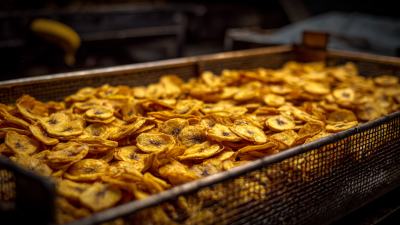
In the competitive landscape of snack foods, the Potato Chips Production Line emerges as a critical focus for global buyers. Industry expert John Smith from SnackTech Innovations states, "Efficiency and quality are key in modern potato chips production." As consumer preferences evolve, manufacturers must adapt to ensure product excellence.
The future of the Potato Chips Production Line lies in innovative technology and sustainable practices. Companies are investing in machinery that not only increases output but also enhances flavor retention. However, the challenge remains in balancing speed with quality. High-speed production lines may compromise on the textures and tastes that customers love.
Buyers must navigate this complex landscape with informed decisions. They seek value without sacrificing the integrity of their products. Ultimately, understanding these insights can lead to smarter investments in the Potato Chips Production Line, allowing businesses to thrive in a dynamic market.

2026 Global Potato Chips Market Overview and Growth Projections
The global potato chips market is on an impressive growth trajectory for 2026. With the rise of snacking culture, demand for potato chips is escalating. Consumers prefer various flavors and healthier options. Key trends show a shift towards organic ingredients and innovative packaging solutions. This evolution presents exciting opportunities for manufacturers.
Tips for entering the market include understanding regional tastes. Different countries favor unique flavors. Researching local preferences can give your product a competitive edge.
Furthermore, sustainability is becoming crucial. Many buyers seek eco-friendly practices in production and packaging. Companies must consider reducing waste and using renewable resources. Balancing profit with responsibility can improve brand reputation.
The market is saturated, yet growth remains possible. Companies should continuously innovate to meet changing consumer demands. However, entering this market also involves risks. Flexibility and adaptability are essential for long-term success in the dynamic potato chips industry.
2026 Global Potato Chips Market Growth Projections
Key Players in the Potato Chips Production Line: Industry Leaders and Innovators
In the evolving landscape of potato chips production, a few key players stand out. These industry leaders are not just manufacturers; they shape market trends through innovation. They focus on automation and efficiency, optimizing every step of the production line. This ensures consistent quality and increased output. Automation reduces human error, but it also raises questions. How do we maintain the human touch in food production?
Innovators in this sector are integrating sustainable practices. They seek to minimize waste and energy consumption. Through advanced technology, these companies create more eco-friendly processes. However, challenges remain. Balancing sustainability with cost-effectiveness can be complex. There's often pressure to cut corners while meeting consumer demand.
Emerging companies bring fresh perspectives to the market. They challenge established norms and prompt industry giants to rethink their strategies. A culture of innovation is vital but can lead to inconsistencies. As these disruptors make their mark, the established leaders must adapt. It’s a push and pull that drives the entire industry forward.
Technological Advances in Potato Chips Manufacturing: Automation and More
In the evolving landscape of potato chips production, automation plays a crucial role. Modern machines streamline processes. They enhance efficiency and reduce waste. New technology allows layers of flavor to be added seamlessly during production. This results in a consistently high-quality product that meets consumer demands.
Investing in advanced equipment is essential for global buyers. Efficient machines can improve production rates significantly. However, companies must weigh costs against the expected output. Not all automation solutions fit every production line. Each factory has unique requirements that affect the choice of technology.
Tip: Regularly assess your production workflow. Identify bottlenecks that hinder efficiency.
Tip: Train workforce on new technology. This ensures that both machines and employees work harmoniously.
The shift to automation is not without challenges. It can require a cultural shift within the company. Employees may resist new technologies. A thoughtful implementation strategy is necessary to overcome these obstacles. At the same time, embracing innovation opens up new possibilities in flavors and product variety.
Sustainability Trends in Potato Chips Production: Eco-Friendly Practices
In recent years, sustainability has become a key focus in the food industry, particularly in potato chips production. Eco-friendly practices are now crucial for meeting consumer demands. Many producers are exploring ways to minimize waste and use renewable resources. Investing in efficient machinery reduces energy consumption. This not only lowers costs but also lessens environmental impact.
The use of sustainable packaging is another important trend. Many companies are shifting from plastic to biodegradable materials. This change reflects a growing commitment to the planet. However, transitioning to eco-friendly packaging presents challenges. Finding the right balance between functionality and sustainability can be complex. Consumers expect durability along with a reduced carbon footprint.
Water usage is also a critical aspect of sustainability in production. High water consumption can strain local resources. Manufacturers are implementing technologies to recycle water. This not only conserves water but also enhances efficiency. Despite these efforts, many processes still face scrutiny and require improvement. Addressing these issues will be vital for the future of potato chips production.
Consumer Preferences Driving Potato Chips Flavors and Varieties in 2026
In 2026, consumer preferences play a vital role in shaping potato chip flavors and varieties. People are more adventurous. They seek new and exciting tastes. Traditional flavors like sour cream and onion are still popular, but there’s a noticeable shift. Spicy, exotic flavors like Sriracha or curry are gaining attention. This change signals a growing need for innovation in production.
Food trends are also influencing chip varieties. Health-conscious shoppers are drawn to baked and healthier options. Many health-focused consumers look for chips made from alternative ingredients. Ingredients like lentils, chickpeas, and sweet potatoes are becoming mainstream. These changes may challenge traditional chip producers. They require new techniques and formulations. The market demands flexibility and creativity.
Many brands face a dilemma. They must balance classic favorites with new offerings. Some hesitate to innovate, fearing it could alienate loyal customers. Others embrace this opportunity for growth. Consumer feedback is vital. Engaging with shoppers helps brands understand their preferences better. Innovations can sometimes flop. However, listening to consumers can lead to successful new products. The interaction between consumer behavior and industry trends will shape the future of potato chips.
Regional Insights: North America vs. Asia-Pacific Potato Chips Market Trends
The potato chips market has shown varying dynamics in North America and the Asia-Pacific regions. In North America, the demand for healthy snack options has seen a steady rise. A report from the Snack Food Association indicates that nearly 70% of consumers prefer baked or reduced-fat chips. This shift demonstrates a growing awareness of health among consumers. However, traditional fried options still hold significant market share, complicating the landscape.
In contrast, the Asia-Pacific region is witnessing rapid growth in the snack sector. According to a recent market analysis, the potato chips market in countries like India and China is expected to grow at a compound annual growth rate (CAGR) of about 8% over the next five years. Despite this growth, challenges remain. Supply chain issues and fluctuating raw material prices impact production efficiency. Many local manufacturers struggle to balance quality with affordability, leading to inconsistent product offerings.
Both regions showcase unique opportunities and challenges for potato chips production. Consumers' preferences continue to evolve, demanding innovation in flavors and healthier alternatives. However, the requirement for sustainable sourcing and production processes adds complexity. As global buyers assess their options, understanding these regional nuances is critical for making informed decisions.
Investment Opportunities in the Potato Chips Production Line for Buyers
The potato chips production line offers numerous investment opportunities for global buyers. Recent trends show a growing demand for snack foods. This is fueled by changing consumer preferences toward convenience foods. Buyers can benefit by understanding different production technologies. These include frying, baking, and air-drying methods. Each technology impacts the chips' taste and texture.
Investing in this production line requires careful consideration. Understanding the market dynamics is crucial. There are risks involved, from fluctuating potato prices to equipment reliability. Buyers should research suppliers and compare options. Establishing a strong partnership with manufacturers is essential for success. Some buyers report challenges in maintaining consistent product quality. Addressing these areas can lead to significant improvements.
Sustainability also plays a crucial role in investment decisions today. Eco-friendly production processes can attract health-conscious consumers. However, not all manufacturers prioritize sustainability, leading to potential regrets later on. Buyers must advocate for quality and environmental responsibility. A holistic approach will ensure a profitable venture in the vibrant snack industry.
2026 Top Potato Chips Production Line Insights for Global Buyers
| Region |
Market Size (USD Million) |
Growth Rate (%) |
Major Trends |
Investment Opportunities |
| North America |
500 |
4.5 |
Healthier Snacks, Organic Options |
Automation in Production |
| Europe |
450 |
5.2 |
Sustainable Packaging, Premium Chips |
Eco-Friendly Technologies |
| Asia-Pacific |
600 |
6.8 |
Flavored Chips, Local Ingredients |
Market Expansion in Emerging Economies |
| Latin America |
200 |
3.7 |
Local Flavors, Snack Innovations |
Rising Middle-Class Consumption |
| Middle East & Africa |
150 |
4.0 |
Rising Health Awareness |
New Entrants in Market |
FAQS
: Automation enhances efficiency in production, reducing waste and human error. It streamlines processes for better output.
Companies face challenges in minimizing waste while managing costs. Pressures often lead to difficult trade-offs.
Many producers focus on minimizing waste, using renewable resources, and investing in efficient machinery.
There is a shift from plastic to biodegradable materials. This change aims to reflect a commitment to sustainability.
Manufacturers are implementing technologies to recycle water, mitigating strain on local resources.
Assessing workflow helps identify bottlenecks. This information is critical to enhance efficiency and streamline production.
Cultural resistance within the workforce can slow the adoption of new tools and processes.
Automation allows for seamless layering of flavors, ensuring quality in every batch produced.
Companies must find a balance between functionality and eco-friendliness, which can be complex and demanding.
A culture of innovation may create inconsistencies, requiring leaders to adapt strategies continuously.
Conclusion
The article titled "2026 Top Potato Chips Production Line Insights for Global Buyers" provides a comprehensive overview of the evolving potato chips market. It forecasts significant growth projections for the global potato chips sector, highlighting key players and innovators within the potato chips production line. The discussion includes the latest technological advancements, particularly in automation, which are transforming manufacturing processes.
Sustainability trends are also emphasized, with a focus on eco-friendly practices that are becoming crucial in the industry. Moreover, consumer preferences are shaping the variety of flavors available in 2026. The article also contrasts market trends between North America and the Asia-Pacific region, offering valuable insights for potential investment opportunities in the potato chips production line for global buyers.